
Jaipur
08048035249
+919983718693
Advanced Spinal Deformity Correction Surgery In Jaipur

Advanced Spinal Deformity Correction Surgery In Jaipur

Available
Phone Number

08048035249

Please keep 0 before dialling the number.

Email Address temsa08@gmail.com

Mon-Thu: 10 AM - 2 PM • Fri: 3 PM - 7AM

Other Website Visit our other website
Address Rajasthan Hospital, 86, opp. RAJASTHAN JAIPURIA HOSPITAL, Kailash Puri Colony, Milap Nagar, Jaipur, Rajasthan 302018, India

Jaipur, India, 302018

Description

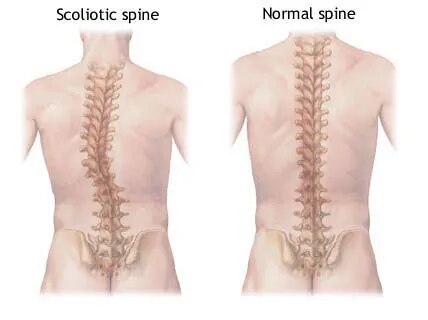
Spinal Deformity Correction Surgery Spinal Deformity Correction is a specialized surgical approach designed to treat abnormal curvatures and misalignments of the spine. These deformities can affect posture, mobility, balance, and overall quality of life, often leading to chronic pain, nerve compression, or breathing difficulties if left untreated. Spinal deformities may be congenital, develop during childhood or adolescence, or occur later in life due to degeneration, trauma, osteoporosis, or neurological disorders. Treatment is carefully personalized to restore spinal alignment, relieve symptoms, and improve daily function. What is Spinal Deformity? Spinal deformities refer to abnormal curvatures or structural imbalances of the spine that differ from the normal spinal alignment. Common types include: Scoliosis – Sideways curvature of the spine Kyphosis – Excessive forward rounding or hunchback appearance Lordosis – Increased inward curvature of the lower back Flat Back Syndrome – Loss of the normal lumbar curvature Post-traumatic or degenerative spinal deformities Causes of Spinal Deformity Spinal deformities can develop due to several underlying conditions, including: Congenital spine malformations Adolescent idiopathic scoliosis Osteoporosis and spinal fractures Degenerative disc disease Ankylosing Spondylitis Failed back surgery syndrome Spinal tumors or infections Neuromuscular disorders such as cerebral palsy Treatment Options for Spinal Deformity 1. Non-Surgical Treatments Mild to moderate deformities may often be managed without surgery through: Bracing, especially in adolescents with scoliosis Physiotherapy and posture correction exercises Pain management with medications Chiropractic or manual therapy (in selected cases) Lifestyle modifications and rehabilitation 2. Surgical Treatments Surgery is generally recommended for severe, progressive, or symptomatic spinal deformities. Spinal Fusion Surgery Two or more vertebrae are fused together using rods, screws, and bone grafts to stabilize and straighten the spine. Osteotomy A surgical procedure in which bone is cut and reshaped to restore proper spinal alignment. Vertebral Column Resection (VCR) Part of a vertebra is removed to correct severe or rigid spinal deformities. Expandable Rod Systems Special growing rod systems are used in children to allow continued spinal growth while correcting deformity. Minimally Invasive Spine Surgery Selected deformities may be treated using minimally invasive techniques that involve smaller incisions, reduced muscle damage, and faster recovery. Goals and Benefits of Spinal Deformity Correction Restore proper spinal alignment and balance Relieve chronic back pain and nerve compression Improve posture, mobility, and flexibility Enhance lung function in severe spinal curvature cases Prevent progression of spinal deformity Improve physical activity and independence Boost confidence and body image Recovery After Surgery Recovery depends on the severity of the deformity and the type of surgery performed. Most patients undergo rehabilitation and physical therapy to regain strength and mobility. Modern surgical techniques and advanced spinal instrumentation have significantly improved recovery times and long-term outcomes.

Other Treatment

view all

UBE Spine Surgery (Unilateral Biportal Endoscopy)

UBE Spine Surgery (Unilateral Biportal Endoscopy) for Minimally Invasive Spine Treatment Unilateral Biportal Endoscopy, commonly known as UBE Spine Surgery, is an advanced minimally invasive procedure used to treat a wide range of spinal disorders, particularly conditions affecting the lumbar spine. This modern surgical technique is transforming spine care by offering precise nerve decompression, minimal tissue damage, and faster recovery compared to traditional open spine surgery. Unlike conventional surgery, UBE uses two small portals — one for a high-definition endoscopic camera and the other for specialized surgical instruments. This dual-portal approach allows the surgeon to directly visualize the spinal structures and perform accurate treatment with minimal disruption to surrounding muscles and tissues. What is UBE Spine Surgery? UBE Spine Surgery is a minimally invasive endoscopic spine procedure that enables surgeons to treat spinal conditions through tiny incisions using real-time camera guidance. The technique provides excellent visualization of the spinal nerves, discs, and surrounding structures while preserving normal anatomy. The primary goals of UBE surgery are to: Relieve nerve compression Remove herniated disc material Decompress the spinal canal Reduce pain and neurological symptoms Preserve muscles and spinal stability Promote faster recovery and rehabilitation Conditions Treated with UBE Spine Surgery UBE is highly effective in treating various spinal disorders, including: Lumbar Disc Herniation Lumbar Canal Stenosis Foraminal Stenosis Degenerative Disc Disease Facet Joint Cysts Sciatica Ligamentum Flavum Hypertrophy Recurrent Disc Herniation Selected Spinal Infections Mild Spinal Instability in selected patients How UBE Spine Surgery is Performed 1. Anesthesia The procedure is usually performed under general or spinal anesthesia. 2. Two Small Portals Two tiny incisions are made near the affected spinal segment: One portal is used for the endoscopic camera The second portal is used for surgical instruments 3. Endoscopic Visualization A high-definition camera provides a magnified and clear view of the spinal structures. 4. Decompression and Treatment The surgeon removes herniated disc material, thickened ligaments, or bone causing nerve compression while preserving healthy tissues. 5. Closure The small incisions are closed with minimal sutures or adhesive strips, resulting in very little scarring. Key Benefits of UBE Spine Surgery Minimally Invasive Technique Small skin incisions Minimal muscle and tissue damage Faster Recovery Early mobilization after surgery Quicker return to daily activities Less Blood Loss Cleaner and safer surgical field Reduced risk of complications Reduced Post-Operative Pain Less need for strong pain medications Improved patient comfort Better Cosmetic Results Minimal scarring due to tiny incisions High-Definition Visualization Precise identification and treatment of nerve compression Shorter Hospital Stay Many patients can be discharged on the same day or within 24 hours Suitable for Elderly Patients Lower surgical stress and faster rehabilitation Recovery After UBE Spine Surgery Recovery following UBE surgery is generally rapid compared to traditional spine surgery. Most patients are able to walk within hours after the procedure and resume light activities within a few days. Physiotherapy and guided rehabilitation may help improve long-term outcomes and spinal strength.

Minimally Invasive Spine Surgery

Minimally Invasive Spine Surgery (MISS) for Faster Recovery & Lasting Pain Relief Minimally Invasive Spine Surgery, commonly known as MISS, is an advanced surgical approach used to treat spinal disorders with minimal disruption to muscles, tissues, and bones. Unlike traditional open spine surgery, MISS uses small incisions, specialized instruments, and real-time imaging guidance to perform precise spinal procedures with reduced tissue damage. This modern technique offers effective treatment for conditions such as herniated discs, spinal stenosis, spinal fractures, spondylolisthesis, and degenerative disc disease while promoting faster recovery and less postoperative discomfort. What is Minimally Invasive Spine Surgery? MISS involves accessing the spine through very small incisions using tubular retractors, endoscopes, microscopes, and image-guided navigation systems. These technologies allow surgeons to reach the affected area accurately without extensive muscle cutting or tissue dissection. The primary goals of MISS are to: Relieve pressure on spinal nerves Stabilize the spine when needed Reduce pain and neurological symptoms Preserve normal spinal anatomy Accelerate recovery and rehabilitation Conditions Treated with MISS Minimally Invasive Spine Surgery is commonly used to treat: Herniated or Slipped Discs Spinal Stenosis (narrowing of the spinal canal) Sciatica and Radiculopathy Spondylolisthesis (slipped vertebra) Spinal Fractures Degenerative Disc Disease Spinal Tumors Spinal Infections Failed Back Surgery Syndrome Common MISS Procedures 1. Microdiscectomy A minimally invasive procedure used to remove herniated disc material pressing on spinal nerves. 2. Minimally Invasive Laminectomy Removal of a small portion of vertebral bone to relieve nerve compression caused by spinal stenosis. 3. Minimally Invasive Spinal Fusion Stabilization of spinal segments using screws, rods, cages, and bone grafts through small incisions. 4. Vertebroplasty and Kyphoplasty Procedures used to treat compression fractures by injecting bone cement into weakened vertebrae. 5. Endoscopic Spine Surgery An ultra-minimally invasive technique performed using a tiny camera and specialized instruments for precise treatment with minimal tissue trauma. How MISS is Performed 1. Anesthesia The surgery is performed under general or spinal anesthesia depending on the procedure. 2. Small Incisions Tiny incisions are made near the affected spinal area. 3. Image-Guided Access Real-time imaging such as fluoroscopy or navigation systems helps guide the surgeon accurately. 4. Surgical Treatment Specialized instruments are used to decompress nerves, remove damaged tissue, or stabilize the spine. 5. Closure The small incisions are closed with minimal sutures or surgical adhesive. Benefits of Minimally Invasive Spine Surgery Smaller Incisions Usually less than one inch Minimal scarring and better cosmetic results Less Pain and Blood Loss Reduced muscle and tissue damage Less postoperative discomfort Faster Recovery Earlier mobilization and rehabilitation Quicker return to work and daily activities Lower Risk of Infection Smaller wounds reduce the chances of complications Shorter Hospital Stay Many procedures are performed as day-care surgeries or require only one-night admission Preservation of Normal Anatomy Maintains spinal stability and reduces the risk of future problems Recovery After MISS Recovery after MISS is generally much faster compared to traditional open spine surgery. Most patients begin walking within hours or the next day after surgery. Depending on the procedure, many individuals return to light activities within days to weeks. Physical therapy may be recommended to improve strength and flexibility.

Spine Fracture Fixation Surgery For Spinal Stability

Spine Fracture Fixation Surgery for Spinal Stability & Pain Relief Spine Fracture Fixation is an advanced surgical procedure performed to stabilize broken or collapsed vertebrae, restore spinal alignment, protect the spinal cord, and promote proper healing. Spinal fractures can be painful, disabling, and potentially life-threatening if left untreated. These fractures may occur due to trauma, osteoporosis, tumors, or sports-related injuries. While minor fractures may heal with rest and bracing, severe or unstable fractures often require surgical fixation to restore stability and prevent long-term complications. What is a Spine Fracture? A spinal fracture occurs when one or more vertebrae in the spinal column break due to excessive force or weakened bone structure. Depending on the severity, these fractures can lead to spinal instability, deformity, nerve compression, chronic pain, or even paralysis if not managed properly. Common Causes of Spinal Fractures Road traffic accidents and high-impact trauma Falls, especially in elderly individuals Sports-related injuries Osteoporosis-related compression fractures Tumors or metastatic cancers weakening the bones Violent injuries such as gunshot wounds What is Spine Fracture Fixation? Spine Fracture Fixation is a surgical technique that uses specialized implants such as screws, rods, plates, cages, or bone cement to stabilize the fractured spine. The procedure aims to: Realign fractured vertebrae Stabilize the spinal column Relieve pressure on spinal nerves if needed Promote proper bone healing Prevent spinal cord injury and deformity Depending on the patient’s condition and fracture type, the surgery may be performed using open surgery or minimally invasive spine surgery techniques. Types of Spine Fracture Fixation Procedures 1. Pedicle Screw Fixation Specialized screws are inserted into the vertebrae and connected with rods to stabilize the fractured spinal segment and restore alignment. 2. Vertebroplasty and Kyphoplasty Bone cement is injected into a collapsed vertebra to strengthen it, reduce pain, and restore vertebral height. These procedures are commonly used for osteoporotic compression fractures. 3. Corpectomy and Fusion The damaged vertebra is removed and replaced with an implant or cage, followed by spinal fusion using bone grafts and instrumentation. 4. Spinal Fusion Surgery Two or more vertebrae are permanently joined together to eliminate abnormal motion and provide long-term stability. How Spine Fracture Fixation is Performed 1. Anesthesia The procedure is performed under general anesthesia. 2. Surgical Access A small or standard incision is made depending on whether minimally invasive or open surgery is planned. 3. Fracture Stabilization The fractured vertebrae are realigned and stabilized using screws, rods, plates, cages, or bone cement. 4. Nerve Decompression If nerves or the spinal cord are compressed, decompression is performed to relieve pressure. 5. Fusion and Closure Bone grafts may be placed to encourage spinal fusion, and the incision is closed with sutures or staples. Benefits of Spine Fracture Fixation Immediate stabilization of the spine Significant pain relief Faster recovery and rehabilitation Restoration of spinal alignment and vertebral height Reduced risk of spinal cord or nerve damage Improved mobility and quality of life Prevention of long-term deformity and disability Recovery After Spine Fracture Fixation Recovery time depends on the severity of the fracture and the type of surgery performed. Most patients begin assisted movement within a few days after surgery. Physical therapy and rehabilitation are essential for restoring strength, flexibility, and mobility. Complete healing and fusion may take several months.

footerhc