Advanced Spinal Deformity Correction Surgery In Jaipur
Spinal Deformity Correction Surgery
Spinal Deformity Correction is a specialized surgical approach designed to treat abnormal curvatures and misalignments of the spine. These deformities can affect posture, mobility, balance, and overall quality of life, often leading to chronic pain, nerve compression, or breathing difficulties if left untreated.
Spinal deformities may be congenital, develop during childhood or adolescence, or occur later in life due to degeneration, trauma, osteoporosis, or neurological disorders. Treatment is carefully personalized to restore spinal alignment, relieve symptoms, and improve daily function.
What is Spinal Deformity?
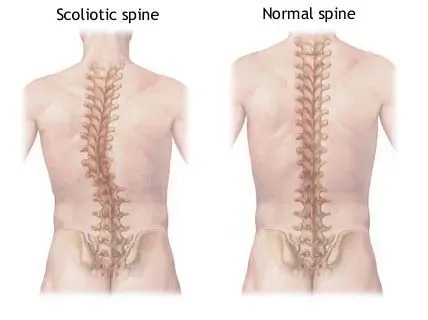
Spinal deformities refer to abnormal curvatures or structural imbalances of the spine that differ from the normal spinal alignment. Common types include:
Scoliosis – Sideways curvature of the spine
Kyphosis – Excessive forward rounding or hunchback appearance
Lordosis – Increased inward curvature of the lower back
Flat Back Syndrome – Loss of the normal lumbar curvature
Post-traumatic or degenerative spinal deformities
Causes of Spinal Deformity
Spinal deformities can develop due to several underlying conditions, including:
Congenital spine malformations
Adolescent idiopathic scoliosis
Osteoporosis and spinal fractures
Degenerative disc disease
Ankylosing Spondylitis
Failed back surgery syndrome
Spinal tumors or infections
Neuromuscular disorders such as cerebral palsy
Treatment Options for Spinal Deformity
1. Non-Surgical Treatments
Mild to moderate deformities may often be managed without surgery through:
Bracing, especially in adolescents with scoliosis
Physiotherapy and posture correction exercises
Pain management with medications
Chiropractic or manual therapy (in selected cases)
Lifestyle modifications and rehabilitation
2. Surgical Treatments
Surgery is generally recommended for severe, progressive, or symptomatic spinal deformities.
Spinal Fusion Surgery
Two or more vertebrae are fused together using rods, screws, and bone grafts to stabilize and straighten the spine.
Osteotomy
A surgical procedure in which bone is cut and reshaped to restore proper spinal alignment.
Vertebral Column Resection (VCR)
Part of a vertebra is removed to correct severe or rigid spinal deformities.
Expandable Rod Systems
Special growing rod systems are used in children to allow continued spinal growth while correcting deformity.
Minimally Invasive Spine Surgery
Selected deformities may be treated using minimally invasive techniques that involve smaller incisions, reduced muscle damage, and faster recovery.
Goals and Benefits of Spinal Deformity Correction
Restore proper spinal alignment and balance
Relieve chronic back pain and nerve compression
Improve posture, mobility, and flexibility
Enhance lung function in severe spinal curvature cases
Prevent progression of spinal deformity
Improve physical activity and independence
Boost confidence and body image
Recovery After Surgery
Recovery depends on the severity of the deformity and the type of surgery performed. Most patients undergo rehabilitation and physical therapy to regain strength and mobility. Modern surgical techniques and advanced spinal instrumentation have significantly improved recovery times and long-term outcomes.