Microdiscectomy Surgery for Slip Disc & Sciatica Relief
Microdiscectomy Surgery for Herniated Disc & Sciatica Relief
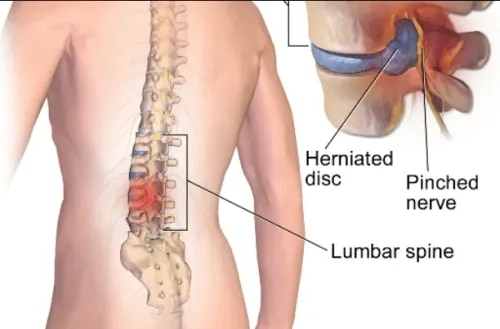
Microdiscectomy is a minimally invasive spinal surgery performed to relieve pressure on a spinal nerve caused by a herniated (slipped) disc in the lower back (lumbar spine) or neck (cervical spine). It is one of the most effective procedures for treating sciatica, leg pain, numbness, and nerve compression when non-surgical treatments fail to provide relief.
What is a Herniated Disc?
The spine is made up of vertebrae separated by soft discs that act as shock absorbers. A herniated disc occurs when the inner gel-like material of the disc pushes through the outer layer and compresses nearby spinal nerves. This pressure can lead to severe pain, weakness, tingling, and difficulty with movement.
Symptoms That May Require Microdiscectomy
Microdiscectomy may be recommended for patients experiencing:
Persistent leg pain (sciatica)
Numbness or tingling in the leg or foot
Weakness in lower limb muscles
Difficulty standing, walking, or sitting for long periods
Severe nerve compression symptoms
Lack of improvement after 6–8 weeks of medications or physiotherapy
What is Microdiscectomy Surgery?
Microdiscectomy is a targeted surgical procedure that removes the portion of the herniated disc pressing on the spinal nerve. The surgery is performed using specialized microscopic instruments through a very small incision, allowing minimal disruption to surrounding muscles and tissues.
Compared to traditional open spine surgery, microdiscectomy offers faster recovery, reduced pain, and lower risk of complications.
Procedure Overview
1. Anesthesia
The procedure is usually performed under general or spinal anesthesia.
2. Small Incision
A small incision, typically around 1–1.5 inches, is made over the affected spinal area.
3. Muscle Retraction
The surrounding muscles are gently moved aside rather than cut, helping preserve normal tissue.
4. Microscope-Assisted Surgery
A surgical microscope provides a magnified and precise view of the compressed nerve and disc.
5. Disc Fragment Removal
The surgeon carefully removes the herniated portion of the disc that is pressing on the nerve root.
6. Closure & Recovery
The incision is closed with minimal sutures, and the patient is moved to recovery.
Benefits of Microdiscectomy Surgery
Minimally invasive with smaller incision
Less muscle and tissue damage
Faster recovery and early mobility
Short hospital stay or same-day discharge
High success rate in relieving sciatica and leg pain
Reduced post-operative discomfort
Smaller scar and lower infection risk
Quicker return to daily activities and work
Recovery After Microdiscectomy
Most patients begin walking within hours after surgery and return home the same day or the next day. Light activities can usually be resumed within a few weeks, while complete recovery depends on the individual’s condition and rehabilitation process. Following post-surgical exercises and spine care guidelines is essential for long-term success.