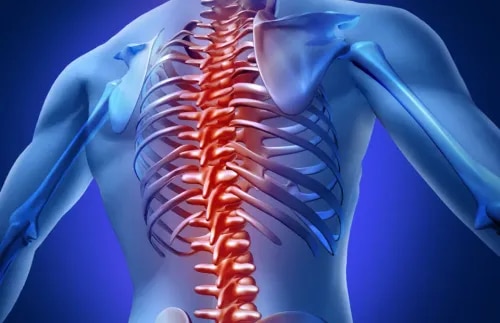
Minimally Invasive Spine Surgery
Minimally Invasive Spine Surgery (MISS) for Faster Recovery & Lasting Pain Relief
Minimally Invasive Spine Surgery, commonly known as MISS, is an advanced surgical approach used to treat spinal disorders with minimal disruption to muscles, tissues, and bones. Unlike traditional open spine surgery, MISS uses small incisions, specialized instruments, and real-time imaging guidance to perform precise spinal procedures with reduced tissue damage.
This modern technique offers effective treatment for conditions such as herniated discs, spinal stenosis, spinal fractures, spondylolisthesis, and degenerative disc disease while promoting faster recovery and less postoperative discomfort.
What is Minimally Invasive Spine Surgery?
MISS involves accessing the spine through very small incisions using tubular retractors, endoscopes, microscopes, and image-guided navigation systems. These technologies allow surgeons to reach the affected area accurately without extensive muscle cutting or tissue dissection.
The primary goals of MISS are to:
Relieve pressure on spinal nerves
Stabilize the spine when needed
Reduce pain and neurological symptoms
Preserve normal spinal anatomy
Accelerate recovery and rehabilitation
Conditions Treated with MISS
Minimally Invasive Spine Surgery is commonly used to treat:
Herniated or Slipped Discs
Spinal Stenosis (narrowing of the spinal canal)
Sciatica and Radiculopathy
Spondylolisthesis (slipped vertebra)
Spinal Fractures
Degenerative Disc Disease
Spinal Tumors
Spinal Infections
Failed Back Surgery Syndrome
Common MISS Procedures
1. Microdiscectomy
A minimally invasive procedure used to remove herniated disc material pressing on spinal nerves.
2. Minimally Invasive Laminectomy
Removal of a small portion of vertebral bone to relieve nerve compression caused by spinal stenosis.
3. Minimally Invasive Spinal Fusion
Stabilization of spinal segments using screws, rods, cages, and bone grafts through small incisions.
4. Vertebroplasty and Kyphoplasty
Procedures used to treat compression fractures by injecting bone cement into weakened vertebrae.
5. Endoscopic Spine Surgery
An ultra-minimally invasive technique performed using a tiny camera and specialized instruments for precise treatment with minimal tissue trauma.
How MISS is Performed
1. Anesthesia
The surgery is performed under general or spinal anesthesia depending on the procedure.
2. Small Incisions
Tiny incisions are made near the affected spinal area.
3. Image-Guided Access
Real-time imaging such as fluoroscopy or navigation systems helps guide the surgeon accurately.
4. Surgical Treatment
Specialized instruments are used to decompress nerves, remove damaged tissue, or stabilize the spine.
5. Closure
The small incisions are closed with minimal sutures or surgical adhesive.
Benefits of Minimally Invasive Spine Surgery
Smaller Incisions
Usually less than one inch
Minimal scarring and better cosmetic results
Less Pain and Blood Loss
Reduced muscle and tissue damage
Less postoperative discomfort
Faster Recovery
Earlier mobilization and rehabilitation
Quicker return to work and daily activities
Lower Risk of Infection
Smaller wounds reduce the chances of complications
Shorter Hospital Stay
Many procedures are performed as day-care surgeries or require only one-night admission
Preservation of Normal Anatomy
Maintains spinal stability and reduces the risk of future problems
Recovery After MISS
Recovery after MISS is generally much faster compared to traditional open spine surgery. Most patients begin walking within hours or the next day after surgery. Depending on the procedure, many individuals return to light activities within days to weeks. Physical therapy may be recommended to improve strength and flexibility.