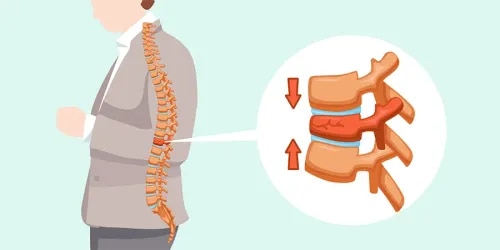
Spine Fracture Fixation Surgery For Spinal Stability
Spine Fracture Fixation Surgery for Spinal Stability & Pain Relief
Spine Fracture Fixation is an advanced surgical procedure performed to stabilize broken or collapsed vertebrae, restore spinal alignment, protect the spinal cord, and promote proper healing. Spinal fractures can be painful, disabling, and potentially life-threatening if left untreated.
These fractures may occur due to trauma, osteoporosis, tumors, or sports-related injuries. While minor fractures may heal with rest and bracing, severe or unstable fractures often require surgical fixation to restore stability and prevent long-term complications.
What is a Spine Fracture?
A spinal fracture occurs when one or more vertebrae in the spinal column break due to excessive force or weakened bone structure. Depending on the severity, these fractures can lead to spinal instability, deformity, nerve compression, chronic pain, or even paralysis if not managed properly.
Common Causes of Spinal Fractures
Road traffic accidents and high-impact trauma
Falls, especially in elderly individuals
Sports-related injuries
Osteoporosis-related compression fractures
Tumors or metastatic cancers weakening the bones
Violent injuries such as gunshot wounds
What is Spine Fracture Fixation?
Spine Fracture Fixation is a surgical technique that uses specialized implants such as screws, rods, plates, cages, or bone cement to stabilize the fractured spine. The procedure aims to:
Realign fractured vertebrae
Stabilize the spinal column
Relieve pressure on spinal nerves if needed
Promote proper bone healing
Prevent spinal cord injury and deformity
Depending on the patient’s condition and fracture type, the surgery may be performed using open surgery or minimally invasive spine surgery techniques.
Types of Spine Fracture Fixation Procedures
1. Pedicle Screw Fixation
Specialized screws are inserted into the vertebrae and connected with rods to stabilize the fractured spinal segment and restore alignment.
2. Vertebroplasty and Kyphoplasty
Bone cement is injected into a collapsed vertebra to strengthen it, reduce pain, and restore vertebral height. These procedures are commonly used for osteoporotic compression fractures.
3. Corpectomy and Fusion
The damaged vertebra is removed and replaced with an implant or cage, followed by spinal fusion using bone grafts and instrumentation.
4. Spinal Fusion Surgery
Two or more vertebrae are permanently joined together to eliminate abnormal motion and provide long-term stability.
How Spine Fracture Fixation is Performed
1. Anesthesia
The procedure is performed under general anesthesia.
2. Surgical Access
A small or standard incision is made depending on whether minimally invasive or open surgery is planned.
3. Fracture Stabilization
The fractured vertebrae are realigned and stabilized using screws, rods, plates, cages, or bone cement.
4. Nerve Decompression
If nerves or the spinal cord are compressed, decompression is performed to relieve pressure.
5. Fusion and Closure
Bone grafts may be placed to encourage spinal fusion, and the incision is closed with sutures or staples.
Benefits of Spine Fracture Fixation
Immediate stabilization of the spine
Significant pain relief
Faster recovery and rehabilitation
Restoration of spinal alignment and vertebral height
Reduced risk of spinal cord or nerve damage
Improved mobility and quality of life
Prevention of long-term deformity and disability
Recovery After Spine Fracture Fixation
Recovery time depends on the severity of the fracture and the type of surgery performed. Most patients begin assisted movement within a few days after surgery. Physical therapy and rehabilitation are essential for restoring strength, flexibility, and mobility. Complete healing and fusion may take several months.