Lower back pain affects people across different age groups, occupations, and lifestyles. It can develop gradually because of repetitive strain or appear suddenly after lifting a heavy object, prolonged sitting, or a sports injury. Although many cases improve with conservative care, some individuals continue experiencing pain that interferes with work, sleep, and everyday activities.
Consulting a Low Back Pain Specialist Jaipur helps identify the actual cause of discomfort and ensures treatment is based on an accurate diagnosis rather than temporary symptom relief.
Understanding Why Low Back Pain Occurs
The lower back contains bones, discs, joints, muscles, ligaments, and nerves that work together to support movement.
Pain may arise from:
- Herniated discs
- Degenerative disc disease
- Lumbar spinal stenosis
- Muscle strain
- Facet joint arthritis
- Spondylolisthesis
- Osteoporotic fractures
- Spine infections
Since different conditions produce similar symptoms, professional evaluation is essential.
The Importance of Clinical Assessment
Diagnosis begins with understanding how the pain developed.
During consultation, a spine specialist typically evaluates:
- Duration of symptoms
- Pain location
- Activities that worsen discomfort
- Previous treatments
- Medical history
- Lifestyle factors
- Occupational demands
This information helps narrow down possible causes before investigations are considered.
Physical Examination Provides Valuable Clues
Clinical examination helps identify whether pain originates from muscles, joints, discs, or nerves.
Assessment commonly includes:
- Spinal movement testing
- Walking evaluation
- Muscle strength examination
- Reflex testing
- Sensory assessment
- Straight leg raise test when leg pain is present
These findings guide further investigation and treatment planning.
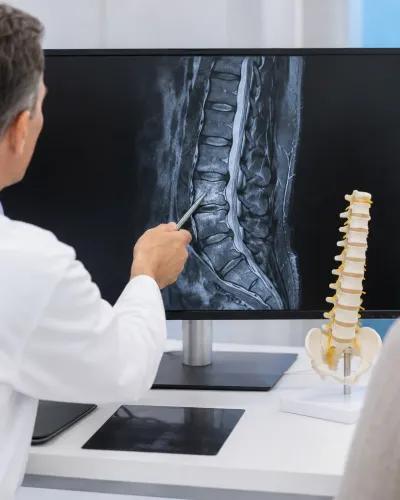
Are Imaging Tests Always Needed?
Many people expect immediate MRI scans for back pain.
However, imaging is usually recommended only when:
- Symptoms persist beyond several weeks
- Neurological symptoms develop
- Conservative treatment is unsuccessful
- Serious spinal conditions need exclusion
- Surgery is under consideration
Avoiding unnecessary investigations helps ensure treatment remains focused and appropriate.
How Treatment Plans Are Individualised
No two patients experience low back pain in the same way.
Treatment recommendations may depend on:
- Age
- Overall health
- Cause of pain
- Occupation
- Physical activity level
- Severity of symptoms
- Previous response to treatment
Management may include medication, physiotherapy, guided exercise, posture correction, lifestyle modifications, or image-guided procedures where clinically appropriate.
When Surgery May Be Considered
Surgery is generally reserved for carefully selected situations.
These may include:
- Progressive nerve weakness
- Severe spinal instability
- Persistent disabling pain despite conservative treatment
- Significant disc herniation causing neurological symptoms
- Certain spinal fractures or infections
The decision is based on the complete clinical picture rather than imaging findings alone.
Reducing the Risk of Future Back Problems
Maintaining spinal health involves long-term lifestyle habits.
Patients are often encouraged to:
- Stay physically active
- Strengthen core muscles
- Maintain a healthy weight
- Lift objects correctly
- Avoid prolonged sitting
- Improve workplace ergonomics
- Follow prescribed rehabilitation programs
These measures support both recovery and long-term prevention.
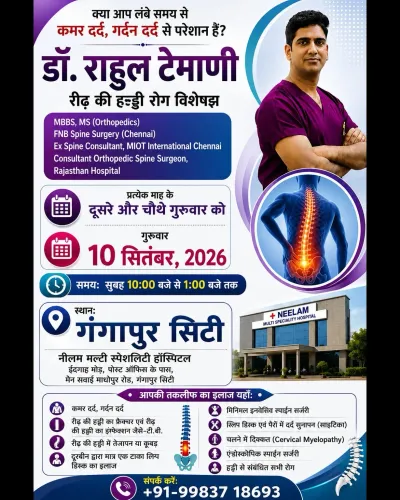
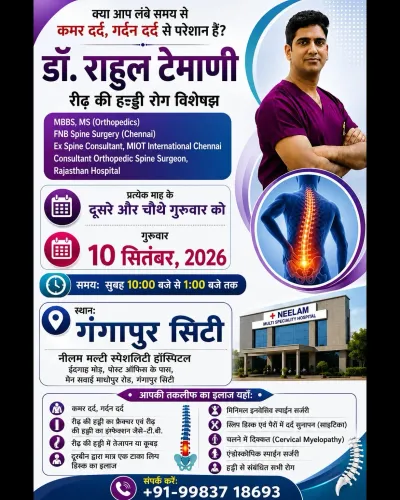
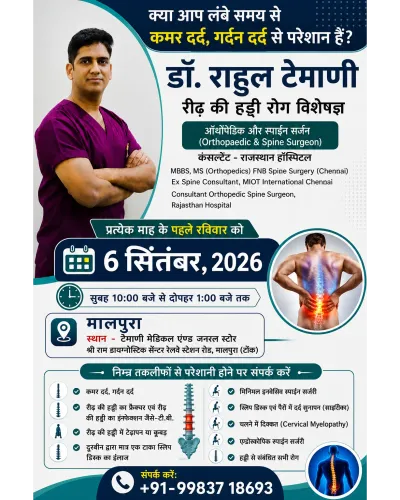
Individuals in Jaipur experiencing ongoing lower back pain should seek professional assessment if symptoms persist or begin affecting mobility and daily life. Dr Rahul Temani evaluates spinal disorders using a combination of clinical examination, diagnostic investigations where appropriate, and personalised treatment planning. Those interested in learning more about spine health and available treatment approaches can also visit drrahultemanispinesurgeon.com for educational information.
A carefully planned treatment strategy addresses not only the pain itself but also the underlying cause, helping patients work towards improved mobility and better long-term spine health.
Keywords