Tuberculosis is commonly associated with the lungs, but it can also affect the spine. This condition, known as Pott's spine or spinal tuberculosis, requires timely diagnosis because delayed treatment may lead to spinal deformity, nerve compression, or long-term disability.
Understanding when Pott's Spine Treatment Jaipur may be required allows patients to seek medical attention before complications develop. Early recognition and appropriate management often play a significant role in preserving spinal function.
What Is Pott's Spine?
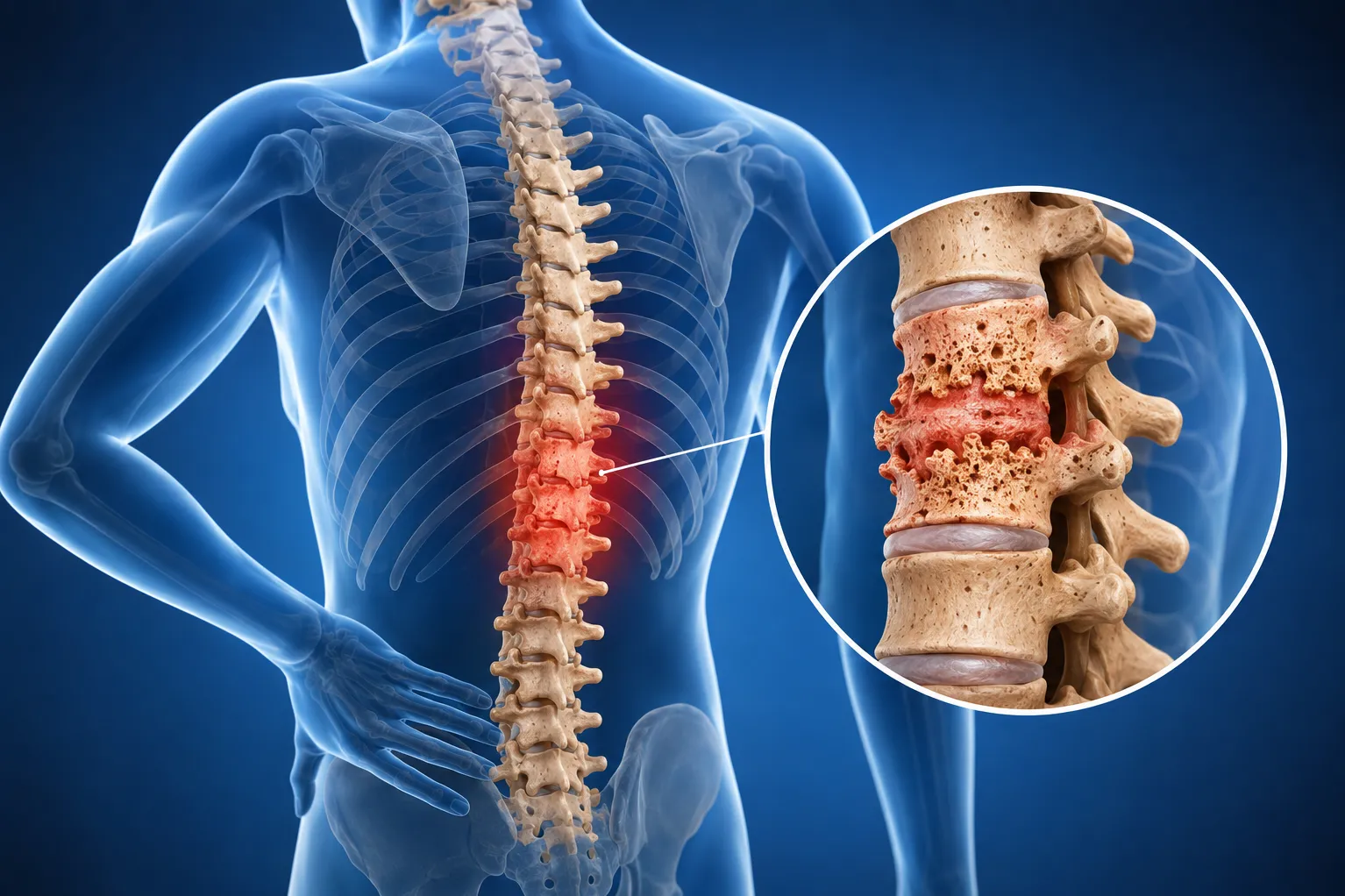
Pott's spine is a form of tuberculosis that affects the vertebrae.
The infection gradually damages the bones of the spine and may spread to nearby discs or surrounding tissues. If left untreated, it can weaken the spinal column and compress nearby nerves.
Although spinal tuberculosis is less common than pulmonary tuberculosis, it remains an important condition that requires specialised care.
Early Symptoms Can Be Subtle
Unlike sudden back injuries, spinal tuberculosis often develops gradually.
Common symptoms include:
- Persistent back pain
- Localised tenderness
- Stiffness
- Fatigue
- Unexplained weight loss
- Fever in some patients
- Night sweats
- Difficulty with prolonged standing or walking
Because these symptoms can resemble other spine disorders, diagnosis may sometimes be delayed.
When Should Medical Evaluation Be Considered?
Persistent back pain that does not improve with routine treatment deserves further assessment, particularly when accompanied by constitutional symptoms such as fever or weight loss.
Medical evaluation becomes especially important if patients develop:
- Progressive weakness
- Numbness
- Difficulty walking
- Changes in bladder or bowel function
- Visible spinal deformity
These symptoms may indicate nerve involvement requiring urgent attention.
How Is Pott's Spine Diagnosed?
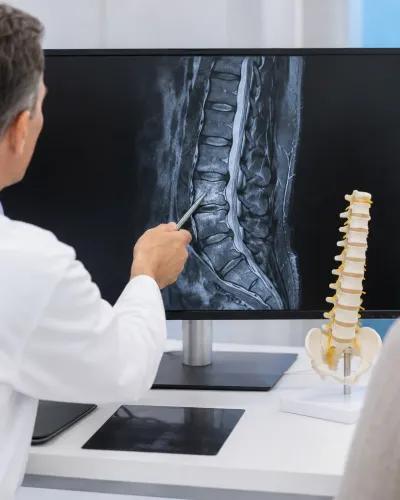
Diagnosis usually combines clinical findings with laboratory and imaging investigations.
These may include:
- Medical history
- Physical examination
- MRI
- X-rays
- Blood investigations
- Additional microbiological tests where appropriate
Identifying the infection early allows treatment to begin before significant spinal damage occurs.
Treatment Is Individualised
Management depends on the severity of infection and the condition of the spine.
Treatment may involve:
- Anti-tubercular medication
- Regular monitoring
- Physiotherapy during recovery
- Nutritional support
- Activity modification
In selected patients with severe spinal instability, deformity, or neurological compression, surgery may also be considered.
Recovery Requires Regular Follow-Up
Spinal tuberculosis generally requires prolonged medical treatment.
During recovery, specialists monitor:
- Symptom improvement
- Neurological function
- Healing on imaging
- Spinal stability
- Response to medication
Regular follow-up helps identify complications early and supports safe recovery.
Can Pott's Spine Be Mistaken for Other Conditions?
Yes. Persistent back pain caused by spinal tuberculosis may resemble:
- Degenerative disc disease
- Herniated discs
- Mechanical back pain
- Vertebral fractures
- Spine tumours
- Other spinal infections
This is why accurate diagnosis remains essential before beginning treatment.
Residents of Jaipur experiencing persistent back pain together with unexplained fever, weight loss, or neurological symptoms should seek timely specialist evaluation rather than assuming the discomfort is due to routine muscle strain. Dr Rahul Temani assesses spinal disorders through comprehensive clinical examination and appropriate investigations to determine the underlying diagnosis and recommend suitable treatment. Patients can also access educational resources through drrahultemanispinesurgeon.com to better understand complex spinal conditions.
Prompt diagnosis and carefully planned treatment improve the chances of preserving spinal stability while reducing the risk of long-term complications associated with spinal tuberculosis.
Keywords