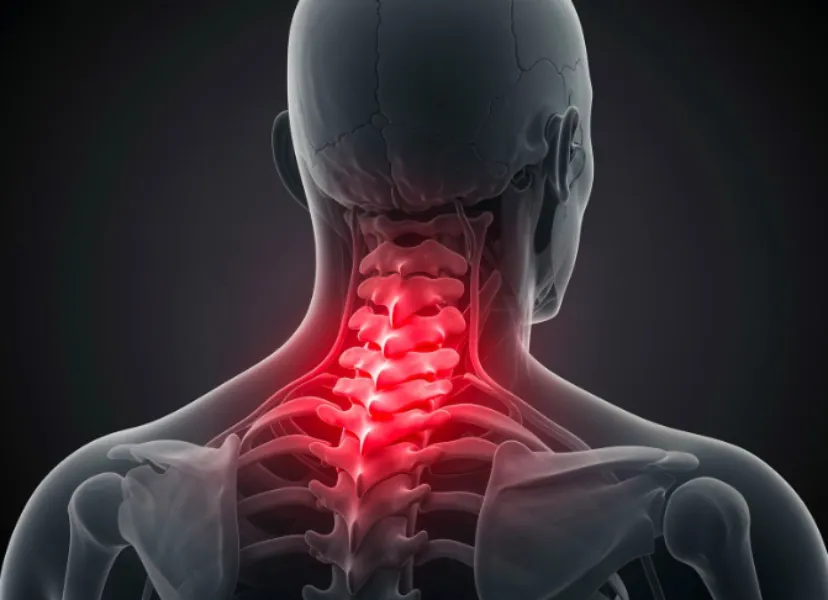
Neck pain is one of the most common musculoskeletal complaints among adults. It may begin after long hours at a computer, poor sleeping posture, repetitive movements, or age-related changes in the spine. While mild discomfort often improves with rest, persistent or worsening symptoms should not be ignored.
Many people rely on pain-relieving sprays, over-the-counter medicines, or home remedies for weeks without understanding the underlying cause. Knowing when to consider Cervical Spine Treatment Jaipur can help prevent prolonged pain and reduce the risk of complications associated with untreated cervical spine conditions.
Occasional Neck Pain and Persistent Symptoms Are Different
Temporary neck stiffness after physical activity or an awkward sleeping position is common and often resolves within a few days.
However, medical evaluation becomes more important when symptoms:
- Continue beyond several weeks
- Return repeatedly
- Spread into the shoulder or arm
- Cause tingling or numbness
- Affect grip strength
- Make routine activities uncomfortable
Persistent symptoms may indicate an issue involving the cervical discs, spinal joints, nerves, or spinal cord.
Common Conditions Affecting the Cervical Spine
Several disorders can produce similar symptoms.
Some of the more common causes include:
- Cervical disc herniation
- Cervical spondylosis
- Degenerative disc disease
- Cervical spinal stenosis
- Nerve root compression
- Arthritis affecting the neck joints
- Spine injuries following trauma
Although these conditions may share similar symptoms, they require different treatment approaches.
Why Self-Diagnosis Can Delay Recovery
It is easy to assume that every neck pain episode is caused by muscle strain.
However, symptoms such as arm weakness, persistent numbness, or pain extending into the fingers may suggest nerve involvement rather than simple muscular discomfort.
Delaying assessment may allow certain conditions to progress, making treatment more complex than if addressed earlier.
How Specialists Identify the Cause
A comprehensive evaluation usually includes much more than reviewing symptoms.
Assessment often involves:
- Medical history
- Physical examination
- Neck movement assessment
- Neurological evaluation
- Muscle strength testing
- Reflex examination
- Sensory assessment
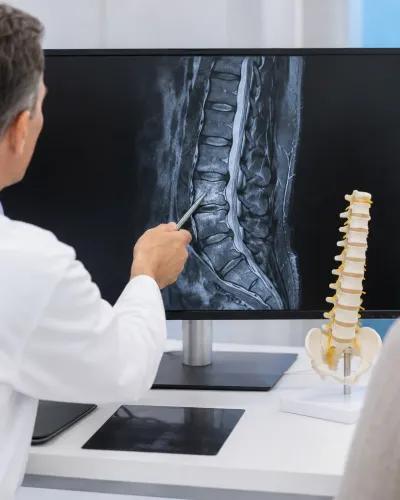
If clinically indicated, imaging studies such as MRI or X-rays may also be recommended to better understand the condition.
Comparing Conservative and Surgical Treatment
Many patients worry that consulting a spine specialist automatically means surgery.
In reality, conservative management remains the first choice for many cervical spine disorders.
Treatment may include:
- Medication
- Physiotherapy
- Postural correction
- Activity modification
- Strengthening exercises
- Lifestyle changes
Surgery is generally considered only when symptoms persist despite appropriate conservative care or when neurological deficits continue to progress.
Daily Habits That Protect the Cervical Spine
Modern work environments can place significant strain on the neck.
Helpful preventive measures include:
- Keeping computer screens at eye level
- Avoiding prolonged mobile phone use
- Taking regular movement breaks
- Maintaining proper sitting posture
- Sleeping with appropriate neck support
- Performing exercises recommended by healthcare professionals
These simple habits may reduce recurring strain on the cervical spine.
Questions Patients Commonly Ask
Before beginning treatment, many patients want to understand:
- What is causing my neck pain?
- Is an MRI necessary?
- Can physiotherapy help?
- Will I require surgery?
- How long does recovery usually take?
- Can I continue working during treatment?
Discussing these questions during consultation helps patients better understand both their diagnosis and treatment plan.
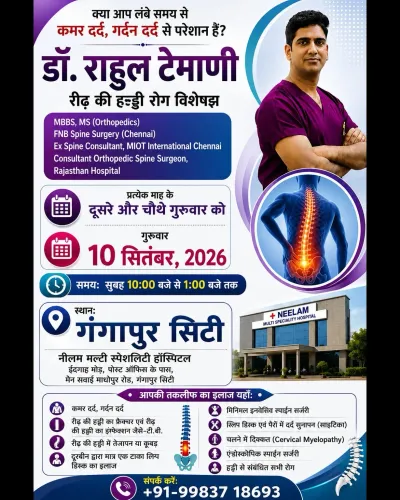
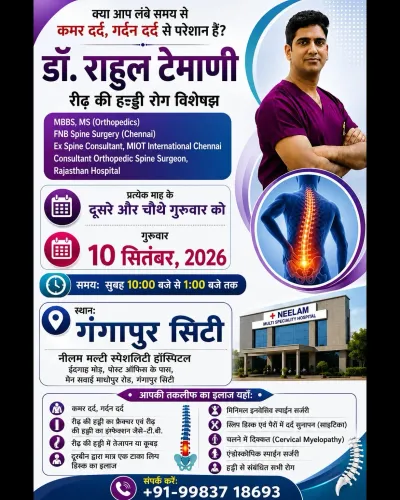
People living in Jaipur who experience persistent neck pain, arm symptoms, or restricted movement should consider a professional spine evaluation instead of depending solely on temporary pain relief. Dr Rahul Temani assesses cervical spine disorders using clinical examination and appropriate investigations before recommending an individualised management plan. Patients seeking additional educational resources about cervical spine conditions can also explore drrahultemanispinesurgeon.com to understand available treatment options.
Timely diagnosis often leads to more effective treatment, allowing many patients to return to daily activities with improved comfort and confidence.
Keywords