The phrase advanced spine surgery covers a range of modern surgical approaches used to address selected spinal conditions. It does not refer to one particular operation, nor does it mean that every person with persistent back pain needs an advanced procedure.
The appropriate surgical technique depends on the diagnosis, location of the problem, neurological findings, spinal stability, overall health, and treatment goals of the patient.
Understanding these principles can help patients in Jaipur and across Rajasthan approach a surgical consultation with realistic expectations.
Why Spine Surgery May Be Recommended
Most routine episodes of back or neck pain are initially managed without surgery when it is medically appropriate.
Surgery enters the discussion when there is a clearly identified structural problem and the expected benefits of an operation justify its risks. Examples may include significant nerve compression, certain disc problems, spinal instability, some fractures or deformities, progressive neurological deficits, or selected conditions that have not responded adequately to appropriate conservative care.
The important distinction is that persistent pain alone is not always sufficient reason for an operation.
What Makes a Spine Procedure Advanced?
Modern spine surgery has evolved through improvements in imaging, surgical planning, instrumentation, anaesthesia, magnification, and techniques designed to access spinal structures more precisely.
Depending on the condition, surgical options may include:
- Decompression procedures to relieve pressure on neural structures
- Discectomy for selected disc-related nerve compression
- Fusion when stability needs to be restored or maintained
- Instrumentation using screws, rods, cages, or related implants when indicated
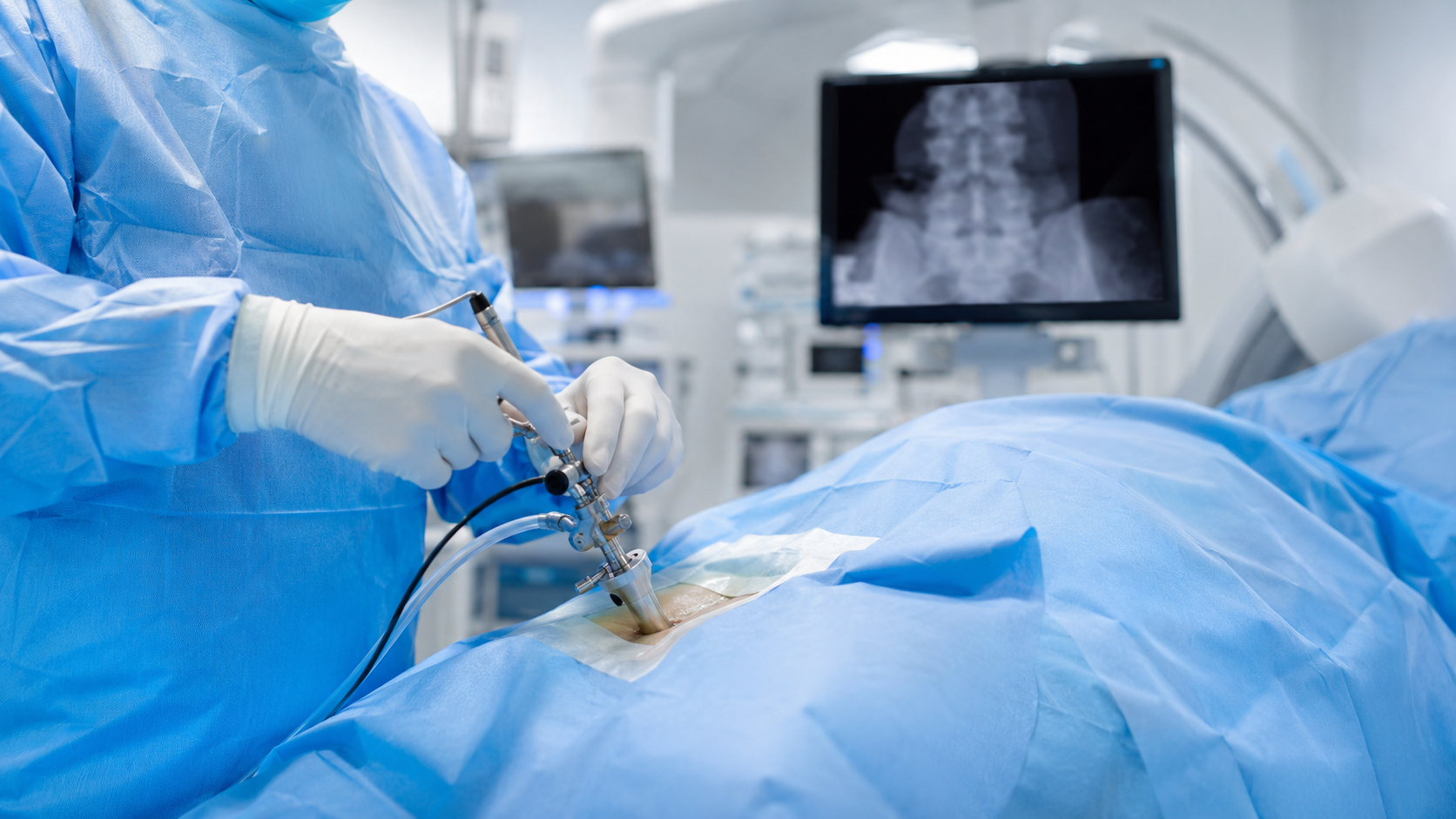
- Minimally invasive approaches in appropriately selected cases
- Procedures designed for specific cervical or lumbar disorders
Not every modern technique is suitable for every diagnosis. A smaller incision, for example, should not be viewed as automatically superior if it does not adequately address the underlying pathology.
Minimally Invasive and Conventional Surgery Are Not Competitors
Patients often ask whether minimally invasive spine surgery is better than open surgery.
A more useful question is: which approach provides adequate treatment for this particular condition with an acceptable balance of benefits and risks?
Minimally invasive approaches may offer advantages for selected procedures because they can limit disruption to surrounding tissues. However, complex deformities, extensive compression, instability, revision surgery, or other conditions may require a different exposure.
Surgical quality depends on correct patient selection and appropriate execution rather than simply choosing the technique with the smallest incision.
What Should Be Evaluated Before Surgery?
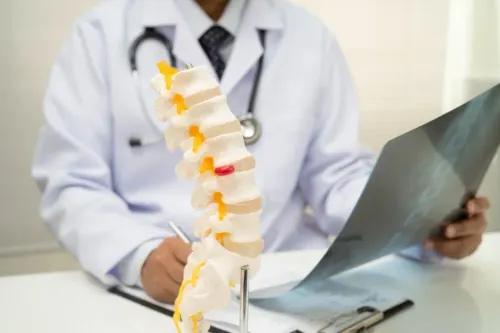
A thorough preoperative assessment should establish a connection between the patient's symptoms, physical findings, and imaging.
For example, finding a disc bulge on an MRI does not automatically establish the need for surgery. The location and severity of compression should make clinical sense in relation to the patient's pain distribution, numbness, weakness, or other findings.
A surgical discussion should therefore address:
- The exact diagnosis
- Why surgery is being considered
- Alternatives that remain reasonable
- The proposed procedure
- Expected goals of surgery
- Important risks and limitations
- Likely rehabilitation requirements
These questions are particularly useful for people who have received different opinions or are uncertain whether continued conservative treatment remains appropriate.
Recovery Is Part of the Treatment Plan
A technically successful procedure is only one component of spine care. Recovery can involve wound care, gradual mobilisation, medication, activity restrictions, rehabilitation, and follow-up examinations.
Return to work or exercise varies substantially depending on the procedure and the individual's condition. A person undergoing a limited decompression may have a different recovery pathway from someone undergoing a multilevel fusion.
Patients should therefore avoid comparing recovery timelines with friends or online experiences.
Making an Informed Surgical Decision
For people exploring advanced spine surgery in Jaipur, the most valuable consultation is one that explains both why an operation may help and why a particular technique has been selected.
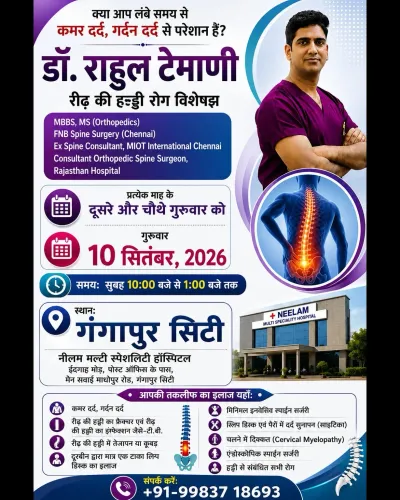
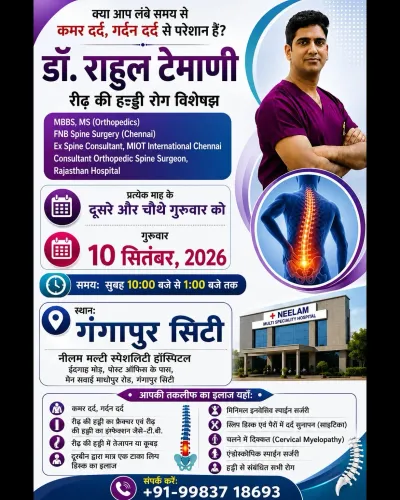
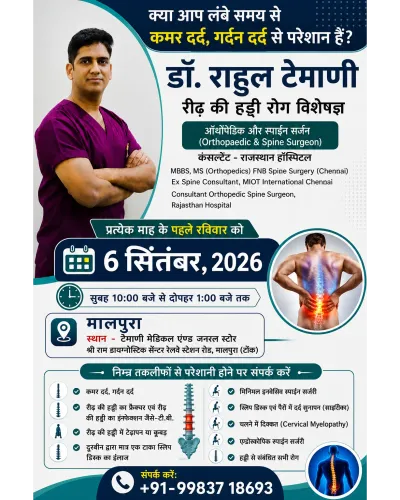
During consultation with Dr Rahul Temani, patients can discuss their imaging, neurological symptoms, previous treatment, surgical indications, alternatives, and expected recovery pathway.
Modern technology can support spine surgery, but technology itself is not the treatment objective. The central goal is to select an appropriate procedure for a clearly defined spinal problem while considering the patient's safety, function, and long-term needs.
Keywords