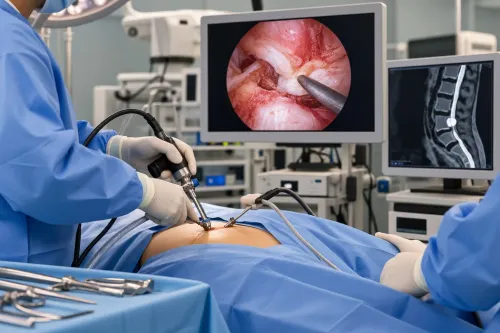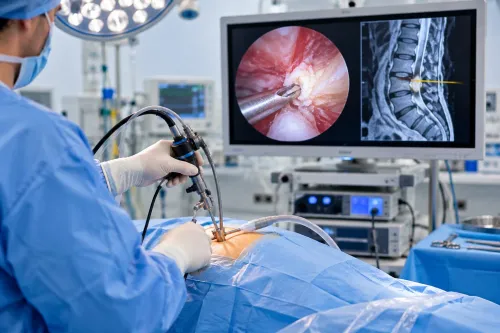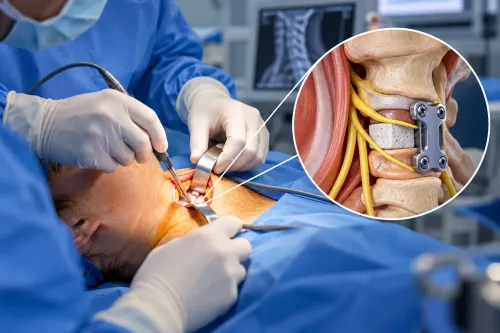

Most people with lower back pain do not require surgery. Appropriate medication, staying active within tolerable limits, physiotherapy, exercise, and time can help many common episodes.
The situation becomes less straightforward when pain persists for weeks or months, repeatedly returns, or begins to limit walking, sitting, sleep, work, and normal daily activities.
At that point, low back pain treatment should move beyond repeated symptom relief toward a clearer understanding of the underlying problem.
For patients in Jaipur, knowing when to seek a spine-focused assessment can prevent both unnecessary procedures and prolonged ineffective treatment.
Start by Reviewing What Has Already Been Tried
Saying physiotherapy didn't work can mean several different things.
A patient may have attended only a few sessions, followed an unsuitable exercise programme, stopped because symptoms increased, or completed a well-designed rehabilitation plan without meaningful improvement.
The same applies to medication.
A specialist assessment should review what treatment was used, for how long, how consistently, and what effect it had.
This information helps determine whether conservative treatment has genuinely been unsuccessful or simply needs to be adjusted.
Is the Pain Only in the Back?
The location of symptoms can change the evaluation.
Pain confined to the lower back may have different causes from pain that travels into the buttock, thigh, calf, or foot.
Leg pain accompanied by numbness, tingling, or weakness raises the possibility of nerve involvement.
Patients should therefore describe the entire symptom pattern rather than simply saying, My back hurts.
When Is Imaging Useful?
Not every episode of low back pain requires an MRI.
Imaging may become more relevant when symptoms persist, neurological findings are present, serious underlying pathology is suspected, or treatment planning requires greater anatomical detail.
Even then, MRI findings should be interpreted clinically.
Disc degeneration, bulges, and other changes may be visible without being the main source of pain. The question is whether the scan explains the patient's symptoms and examination findings.
Readiness Indicators for a Spine Consultation
Consider a specialist assessment when:
- Pain remains significant despite appropriate conservative care
- Repeated episodes are becoming more frequent
- Leg pain is persistent
- Numbness or tingling develops
- Weakness affects walking or daily tasks
- Standing or walking tolerance has substantially decreased
- Previous treatment provides only short-lived improvement
- The diagnosis remains unclear
A consultation does not commit the patient to surgery. It can clarify whether additional rehabilitation, investigations, targeted treatment, or surgical consideration is appropriate.
What Makes a Useful Treatment Plan?
A good plan should have measurable goals.
Instead of focusing only on a pain score, improvement may be assessed through functional changes such as being able to walk farther, sit comfortably for longer, sleep better, return to work, or perform routine tasks more easily.
Patients should also understand what would trigger a change in the plan.
For example, worsening weakness may require reassessment sooner than persistent but stable discomfort.
Choosing Spine Care in Jaipur
When evaluating a provider, look for an approach that begins with diagnosis and explains why a particular treatment is being recommended.
A useful consultation should review previous care, neurological findings, imaging where relevant, conservative options, and indications for intervention.
Patients seeking low back pain treatment in Jaipur can consult Dr Rahul Temani for an evaluation of persistent or recurrent symptoms and the available treatment pathways.
Back pain that has not improved does not automatically mean surgery is the next step. It means the diagnosis, previous treatment, functional limitations, and any neurological involvement should be reassessed so that the next decision is based on current clinical findings rather than simply repeating what has already failed.
Keywords