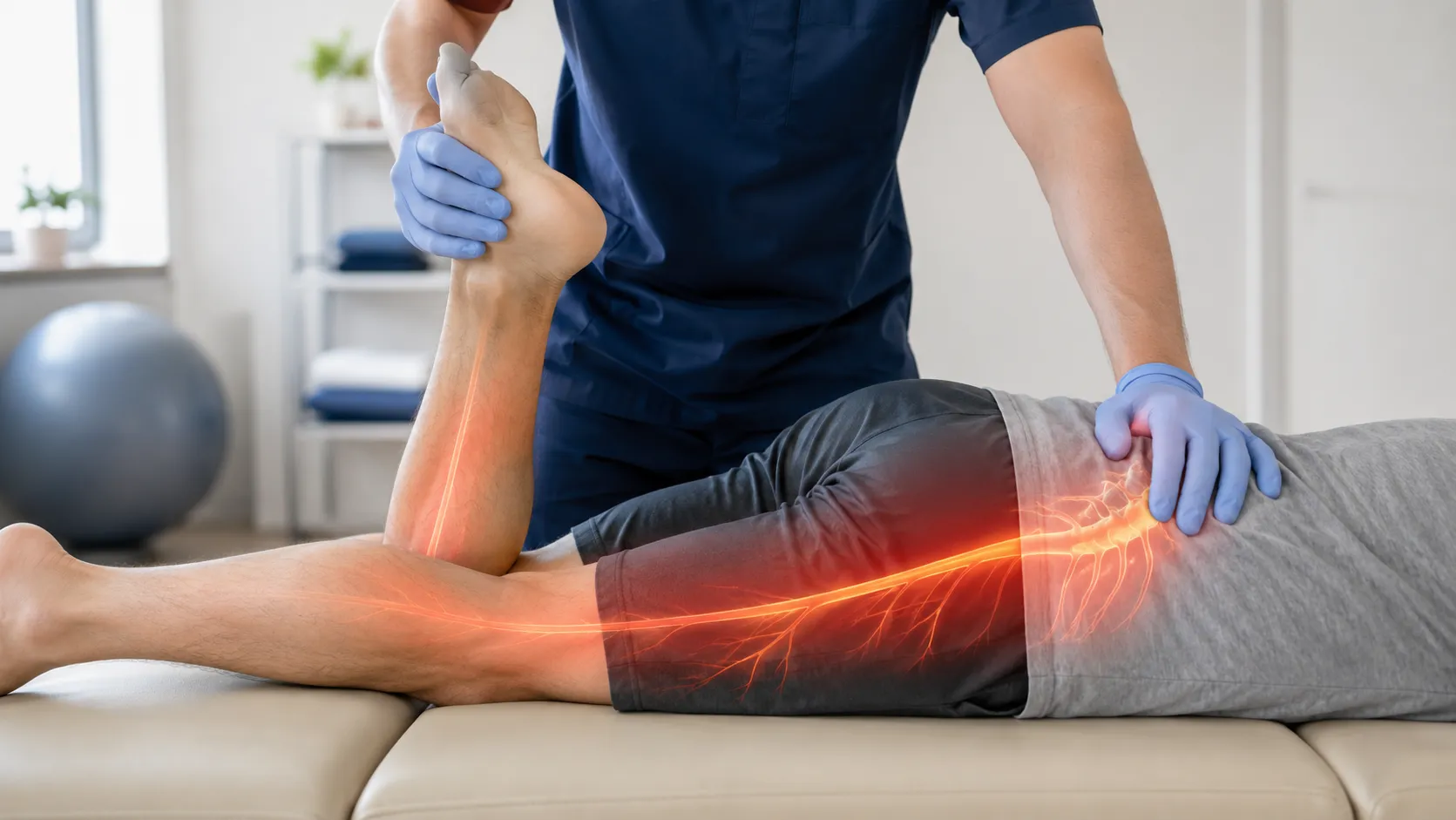
Pain that starts in the lower back and travels down the leg is often described as sciatica. While many people use the term to describe any leg pain, true sciatica occurs when the sciatic nerve becomes irritated or compressed. The condition can range from mild discomfort to severe pain that interferes with walking, sitting, sleeping, and routine activities.
Understanding the symptoms, possible causes, and available Sciatica Pain Treatment Jaipur options helps patients recognise when professional evaluation may be necessary instead of relying only on temporary pain relief.
What Is Sciatica?
The sciatic nerve is the largest nerve in the body. It begins in the lower spine, passes through the buttocks, and extends down each leg.
When one of the spinal nerve roots supplying the sciatic nerve becomes compressed or inflamed, pain may travel along the course of the nerve. The discomfort usually affects one side of the body rather than both legs simultaneously.
Sciatica itself is a symptom rather than a disease. Identifying its underlying cause is essential for effective treatment.
Common Symptoms
Sciatica can present differently from one person to another.
Frequently reported symptoms include:
- Pain starting in the lower back
- Pain radiating into the buttock
- Burning sensation down the leg
- Tingling or pins and needles
- Numbness in the foot or leg
- Muscle weakness
- Pain that increases while sitting for long periods
- Difficulty standing after prolonged sitting
Some patients experience intermittent symptoms, while others have persistent discomfort.
What Causes Sciatica?
Several spinal conditions may irritate the sciatic nerve.
Common causes include:
- Herniated disc
- Lumbar spinal stenosis
- Degenerative disc disease
- Bone spurs
- Spondylolisthesis
- Spine injuries
- Rarely, spinal infections or tumours
Each condition requires a different treatment approach, making accurate diagnosis important.
When Should You Consult a Specialist?
Medical assessment is recommended if:
- Leg pain persists for several weeks
- Walking becomes difficult
- Weakness develops in the leg
- Symptoms interfere with work or sleep
- Pain continues despite medication and rest
- Numbness gradually worsens
Sudden loss of bladder or bowel control or rapidly progressing weakness requires immediate emergency medical attention.
How Is Sciatica Diagnosed?
Diagnosis involves much more than reviewing symptoms.
A spine specialist may perform:
- Medical history review
- Neurological examination
- Muscle strength testing
- Reflex assessment
- Walking evaluation
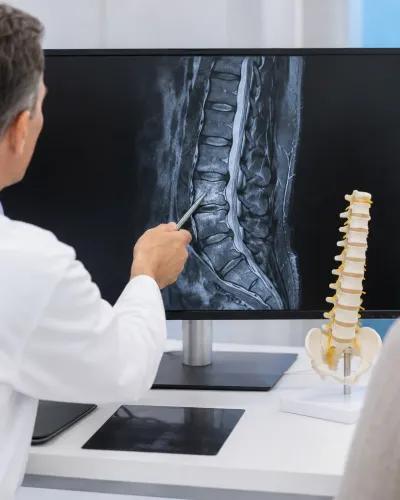
- MRI when clinically indicated
- X-rays in selected situations
These investigations help determine whether nerve compression is responsible for the symptoms.
Available Treatment Options
Many patients improve without surgery.
Treatment may include:
- Pain-relieving medication
- Physiotherapy
- Guided stretching exercises
- Core strengthening
- Activity modification
- Lifestyle improvements
- Image-guided injections in selected cases
The goal is to reduce nerve irritation while restoring normal movement and function.
Does Every Patient Need Surgery?
No. Surgery is usually considered only after careful evaluation.
It may be appropriate when:
- Severe nerve compression is confirmed
- Muscle weakness is progressing
- Persistent pain continues despite conservative treatment
- Quality of life is significantly affected
- Certain emergency neurological conditions are present
The decision depends on the individual's symptoms, examination findings, and imaging results.
Preventing Future Episodes
Although not every case can be prevented, several habits may reduce the risk of recurrence.
These include:
- Maintaining good posture
- Regular physical activity
- Strengthening abdominal and back muscles
- Using proper lifting techniques
- Taking breaks during prolonged sitting
- Maintaining a healthy weight
These measures support better spinal function over time.
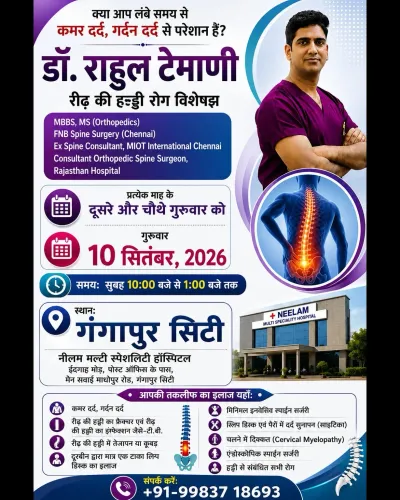
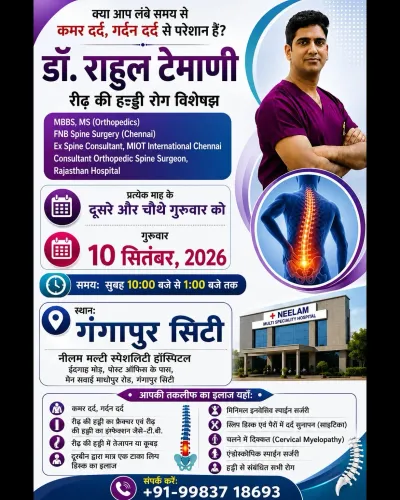
People living in Jaipur who experience persistent leg pain, numbness, or weakness should seek timely evaluation to determine whether the sciatic nerve is involved. Dr Rahul Temani assesses patients using clinical examination and appropriate investigations before recommending a personalised treatment plan. Those looking for additional educational resources about spine disorders and treatment options can also explore drrahultemanispinesurgeon.com to better understand their condition.
Early recognition of sciatica symptoms allows appropriate treatment to begin sooner, helping many patients improve their mobility, reduce discomfort, and return to everyday activities with greater confidence.
Keywords