Back pain is one of the leading reasons people seek medical care, yet surgery is not the answer for every spinal condition. In fact, many patients recover successfully through conservative treatment when the underlying cause is identified early and managed appropriately.
Understanding when Non-Surgical Back Pain Treatment Jaipur may be suitable helps patients make informed decisions while avoiding unnecessary procedures. The right treatment depends on the diagnosis, severity of symptoms, overall health, and how the condition affects daily life.
Why Non-Surgical Treatment Is Often the First Choice
Most episodes of back pain result from conditions that respond well to conservative management.
Examples include:
- Mild to moderate disc bulges
- Muscle and ligament injuries
- Early degenerative disc disease
- Mechanical lower back pain
- Facet joint irritation
- Certain cases of sciatica
- Postural back pain
Unless there are serious neurological symptoms or spinal instability, non-surgical care is usually recommended before surgery is considered.
What Does Conservative Spine Care Include?
Treatment plans are personalised according to the patient's diagnosis and symptoms.
They may involve:
- Prescription medication where appropriate
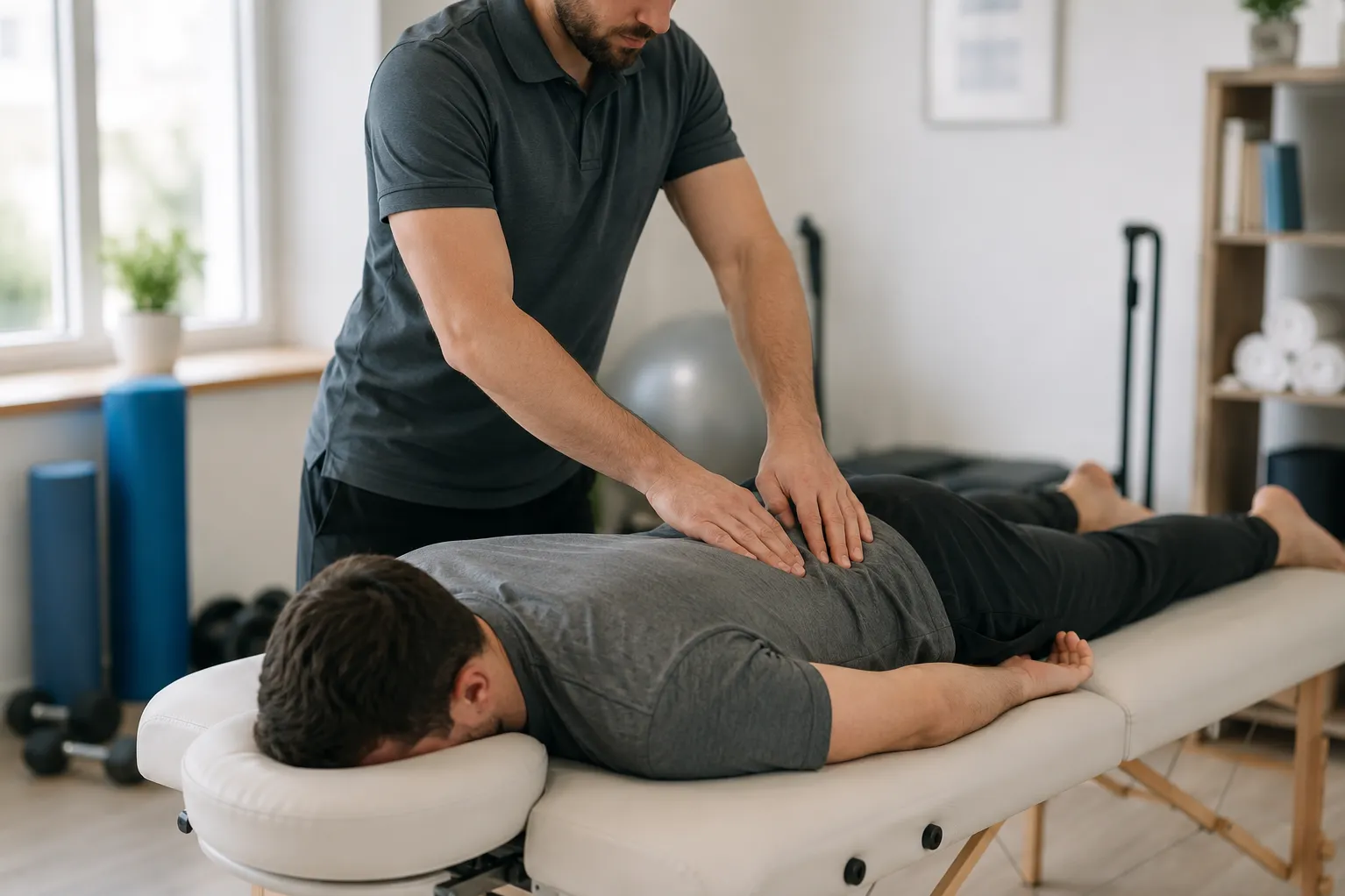
- Physiotherapy
- Guided stretching exercises
- Core muscle strengthening
- Activity modification
- Weight management
- Ergonomic advice
- Image-guided pain management procedures for selected patients
Combining several approaches often produces better outcomes than relying on a single treatment.
Who Is Most Likely to Benefit?
Patients may be suitable for conservative treatment when they:
- Have pain without progressive weakness
- Can perform most daily activities
- Have symptoms that improve with rest
- Do not have severe spinal cord compression
- Show gradual improvement during treatment
Regular follow-up allows the treatment plan to be adjusted if symptoms change.
When Surgery May Become Necessary
Although many patients recover without surgery, some situations require surgical evaluation.
Examples include:
- Progressive muscle weakness
- Loss of bladder or bowel control
- Significant spinal instability
- Persistent disabling pain despite appropriate conservative care
- Severe nerve compression confirmed through clinical assessment and imaging
A spine specialist carefully weighs the expected benefits and potential risks before recommending surgery.
How Long Should Conservative Treatment Continue?
Recovery timelines vary depending on the diagnosis.
Several factors influence progress:
- Age
- General health
- Physical activity level
- Occupation
- Severity of spinal changes
- Participation in rehabilitation
Many patients begin noticing improvement within several weeks, although complete recovery may take longer for chronic conditions.
Supporting Recovery Through Daily Habits
Medical treatment is only one part of long-term spine health.
Patients are encouraged to:
- Walk regularly
- Maintain a healthy weight
- Improve sitting posture
- Avoid prolonged bed rest
- Perform prescribed exercises consistently
- Lift objects using proper techniques
- Stay physically active within comfortable limits
These habits reduce stress on the spine and support lasting recovery.
Choosing the Right Spine Evaluation
Before deciding between conservative treatment and surgery, patients should understand the exact cause of their pain.
A comprehensive assessment generally includes:
- Detailed medical history
- Physical examination
- Neurological assessment
- Imaging studies when clinically indicated
- Review of previous treatments
This structured approach helps ensure treatment decisions are based on clinical findings rather than assumptions.
Patients in Jaipur experiencing persistent back pain often benefit from specialist evaluation before considering surgery. Dr Rahul Temani develops treatment plans based on the patient's diagnosis, functional limitations, and overall spinal health, with surgery recommended only when clinically appropriate. Educational information regarding conservative spine care and treatment options is also available through drrahultemanispinesurgeon.com for patients seeking reliable guidance.
Choosing the appropriate treatment begins with understanding the condition itself. In many cases, conservative management provides meaningful pain relief while helping patients return to their normal routine without surgery.
Keywords