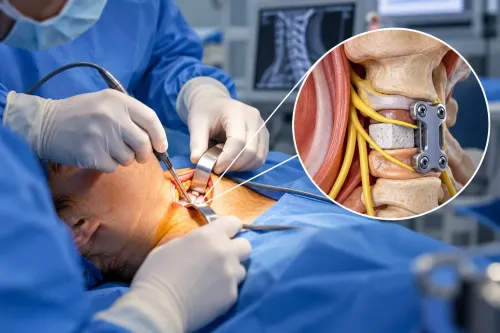
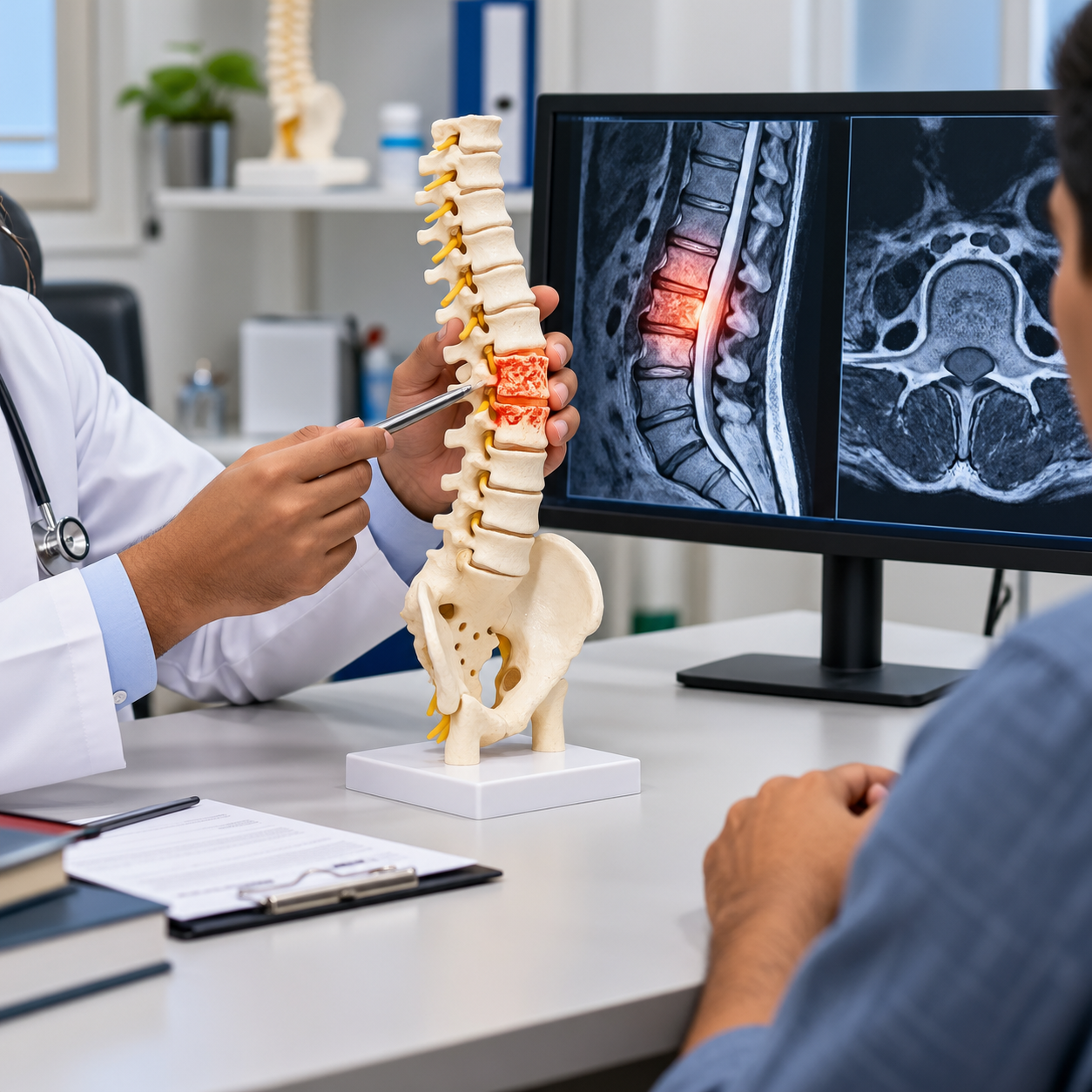
A diagnosis of spinal tuberculosis naturally raises an important question: can it be treated with medicines alone, or will spine surgery be required?
There is no single answer for every patient.
Spinal tuberculosis treatment is primarily built around appropriate anti-tuberculosis therapy, but the condition can affect the spine in very different ways. Some patients have disease that can be managed medically with careful monitoring, while others develop neurological compression, instability, deformity, or other complications that require surgical evaluation.
For patients in Jaipur and across Rajasthan, understanding these readiness indicators can make discussions with the treating team clearer.
Medical Treatment Remains Fundamental
Tuberculosis affecting the spine is an infection, so appropriate anti-tuberculosis therapy plays a central role in management.
The exact regimen, duration, monitoring requirements, and any necessary modifications depend on clinical circumstances and the treating team's assessment.
Patients should take prescribed treatment consistently and attend scheduled follow-up appointments.
Pain improvement alone should not be used as a reason to stop medication or change the treatment schedule independently.
Why Some Patients Need a Spine Surgical Opinion
The role of surgery is not simply to treat the presence of tuberculosis.
Instead, surgical evaluation becomes important when the infection has created a mechanical or neurological problem that may not be adequately addressed by medication alone.
Examples can include:
- Progressive neurological weakness
- Significant compression of the spinal cord or nerves
- Spinal instability
- Severe or progressive deformity
- Structural destruction requiring stabilisation
- Selected large collections or other complications
- Clinical circumstances where diagnostic tissue is required
The actual indication must be determined individually after examination and review of imaging and other investigations.
What Does a Surgical Assessment Examine?
A spine specialist will generally consider much more than whether an MRI shows infection.
Important questions include:
- Which vertebral levels are involved?
- Is the spine mechanically stable?
- Is there deformity?
- Are neural structures compressed?
- Is muscle power normal?
- Can the patient walk safely?
- How has the disease responded to treatment?
- Is additional diagnostic confirmation needed?
These findings help determine whether continued medical management is reasonable or whether operative intervention should be considered.
Why Weakness Changes the Conversation
Back pain can be severe without neurological impairment. Weakness is different because it can indicate that spinal cord or nerve function is being affected.
Patients with spinal tuberculosis should promptly report increasing difficulty walking, weakness in one or both legs, altered sensation, or changes in bladder or bowel function.
These findings require timely assessment rather than waiting for a routine follow-up date.
Surgery Is Only One Part of Care
When an operation is indicated, treatment still extends beyond the procedure.
The overall pathway may include anti-tuberculosis medication, nutritional and general health assessment, mobilisation, rehabilitation, neurological monitoring, wound care, and follow-up imaging or investigations where appropriate.
The goals of surgery can vary. Depending on the condition, they may include decompression of neural structures, stabilisation of the spine, correction or prevention of significant deformity, drainage or debridement in selected circumstances, or obtaining tissue for diagnosis.
Patients should understand the specific objective proposed in their case.
What to Bring to a Spine Consultation
Patients who have already started tuberculosis treatment should bring available prescriptions, laboratory reports, MRI or CT images, biopsy or microbiology reports, and records from previous consultations.
A clear timeline is also useful: when back pain began, when tuberculosis was diagnosed, when medication started, and whether neurological symptoms have changed.
Patients considering spinal tuberculosis treatment in Jaipur can consult Dr Rahul Temani for assessment of spinal stability, neurological involvement, deformity, and potential surgical indications alongside the medical management of tuberculosis.
The presence of spinal tuberculosis does not automatically mean an operation is necessary. The more important question is whether the infection has produced structural or neurological complications that make surgery beneficial. A diagnosis-based, coordinated approach allows medical therapy and spine care to serve their appropriate roles.
Keywords