Spine surgery is often associated with fear, uncertainty, and long recovery periods. But modern spine care has changed significantly over the years. Many people living with severe back pain continue delaying treatment because they assume surgery is always the only or last dangerous option. In reality, most spine conditions are first evaluated carefully to understand whether non-surgical treatment can still help. Surgery is usually considered only when pain, nerve compression, weakness, or mobility issues begin affecting daily life in a major way.
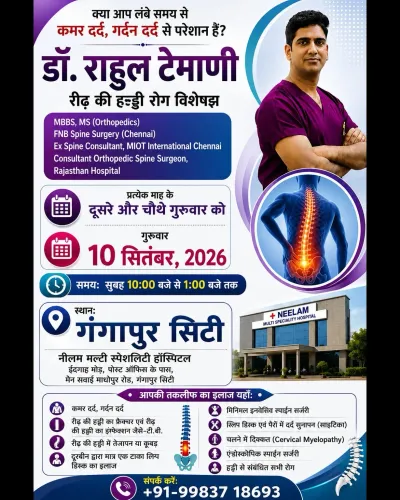
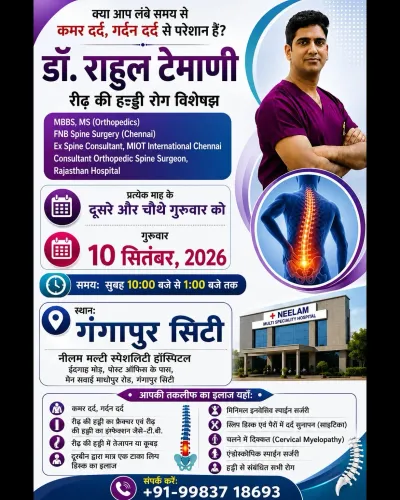
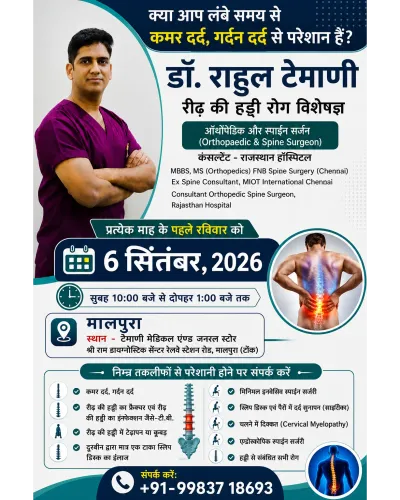
At Dr Rahul Temani, patients dealing with chronic spine problems are guided through detailed evaluation before any treatment pathway is suggested. Conditions such as severe slip disc, spinal instability, nerve compression, or progressive disc degeneration may eventually require surgical support if conservative methods stop providing relief. Today, advancements in minimally invasive spine surgery have improved recovery planning, reduced tissue damage, and helped many patients return to routine activities sooner than expected.
A common concern among patients is whether spine surgery permanently restricts movement. That concern is understandable because spine health directly impacts mobility, balance, sleep, and confidence during routine activities. However, the purpose of modern spine procedures is usually to reduce nerve pressure, improve movement quality, and help restore function when symptoms become difficult to manage naturally.
Ignoring severe spine symptoms for months can sometimes increase complications later. Persistent numbness, radiating leg pain, weakness while walking, or loss of movement should not be dismissed as simple fatigue or age-related discomfort.
Understanding the actual cause behind chronic spine pain is often the first step toward meaningful recovery and better quality of life.
Looking for professional guidance regarding spine surgery in Jaipur? Consult Dr Rahul Temani for detailed spine evaluation and patient-focused spine care support.
Keywords