
Advanced Endoscopic Spine Surgery for Back & Neck Pain Relief
Description
Endoscopic Spine Surgery – Advanced Minimally Invasive Treatment for Spine Disorders
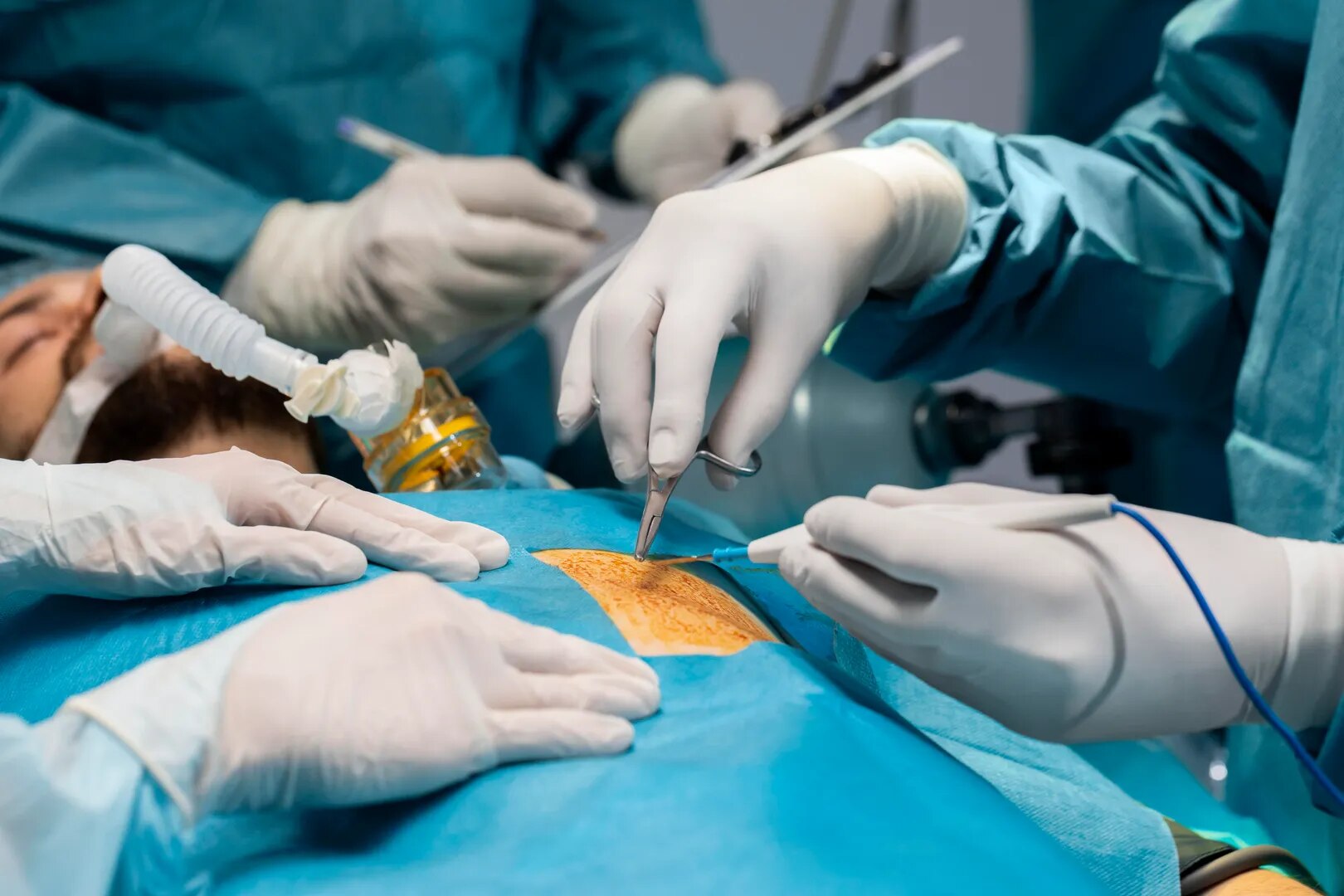
Endoscopic Spine Surgery is a modern, minimally invasive procedure designed to treat a wide range of spinal conditions through a very small incision using a high-definition endoscope (camera). This advanced technique serves as an effective alternative to traditional open spine surgery by reducing tissue damage, postoperative pain, and recovery time.
Endoscopic Spine Surgery is especially beneficial for patients suffering from herniated discs, spinal stenosis, chronic back pain, and sciatica. By providing precise access to the affected spinal area, surgeons can accurately remove the source of nerve compression while preserving healthy muscles and surrounding tissues.
Conditions Treated with Endoscopic Spine Surgery
Endoscopic Spine Surgery is commonly recommended for:
Herniated (slipped) disc
Lumbar or cervical disc prolapse
Sciatica and leg pain caused by nerve compression
Spinal stenosis (narrowing of the spinal canal)
Foraminal stenosis
Facet joint cysts
Failed Back Surgery Syndrome
Recurrent disc herniation
Degenerative disc disease
Types of Endoscopic Spine Surgeries
Transforaminal Endoscopic Discectomy (TFED)
A minimally invasive procedure used to treat disc herniation causing leg pain and sciatica through a transforaminal approach.
Interlaminar Endoscopic Discectomy (ILED)
Ideal for centrally located disc herniations, allowing direct access to the affected spinal canal.
Endoscopic Decompression
Performed to relieve pressure on nerves caused by spinal canal stenosis or foraminal narrowing.
Cervical Endoscopic Surgery
Used for treating disc problems and nerve compression in the neck (cervical spine) region.
Benefits of Endoscopic Spine Surgery
Minimally Invasive Technique
Tiny incision with minimal scarring
Reduced muscle and tissue damage
Lower risk of infection and complications
Faster Recovery
Shorter hospital stay, often same-day discharge
Quicker return to work and daily activities
Faster rehabilitation compared to open surgery
Reduced Pain
Less postoperative discomfort
Reduced dependency on pain medications
Minimal Blood Loss
Safer for elderly patients and individuals with medical comorbidities
High Surgical Precision
High-definition visualization of the spine
Accurate removal of damaged disc material and compressed tissue
Better Cosmetic Outcome
Small scars that are barely visible
Local or Mild Sedation
In selected cases, surgery can be performed under local anesthesia or mild sedation, reducing anesthesia-related risks
Recovery After Endoscopic Spine Surgery
Most patients are encouraged to walk within a few hours after surgery. Because the procedure causes minimal tissue disruption, recovery is significantly faster than traditional open spine surgery. Patients can often resume light activities within days, although complete healing depends on the severity of the spinal condition and overall health.