
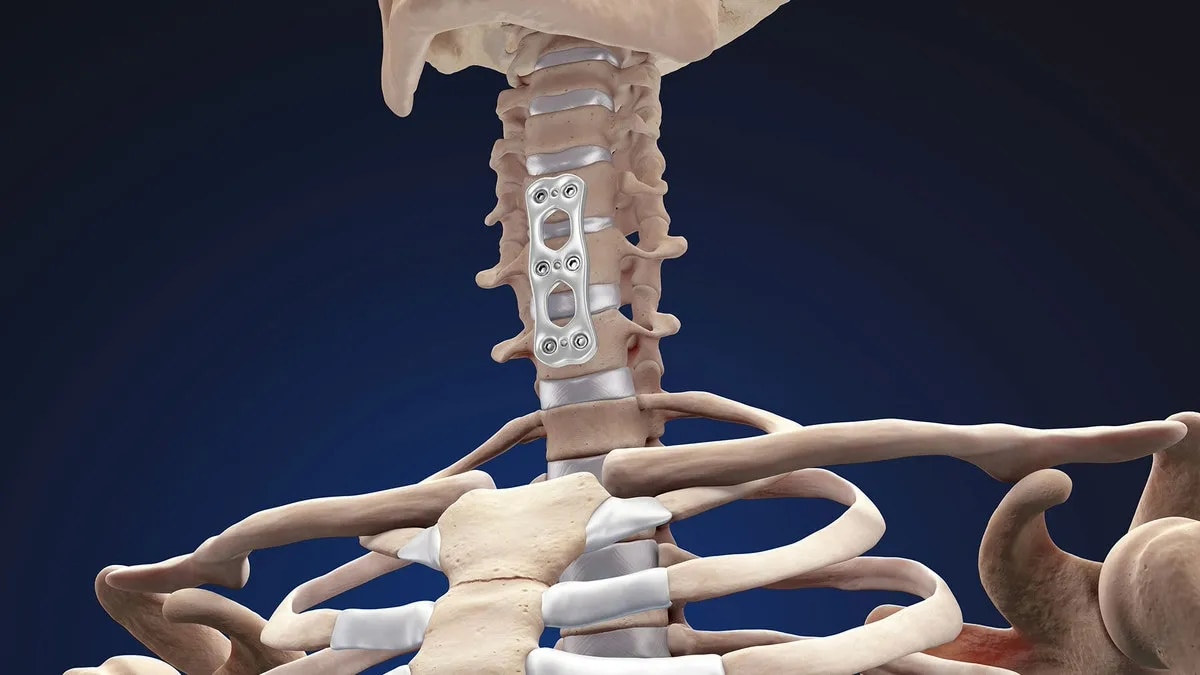
ACDF (Anterior Cervical Discectomy and Fusion): Modern Neck Spine Surgery
Description
ACDF Surgery (Anterior Cervical Discectomy and Fusion)
Anterior Cervical Discectomy and Fusion, commonly known as ACDF, is a highly effective spinal surgery used to treat various cervical spine conditions such as herniated discs, degenerative disc disease, cervical spondylosis, and spinal stenosis. The procedure involves removing a damaged disc through the front of the neck (anterior approach) and fusing the adjacent vertebrae to restore spinal stability, relieve nerve compression, and reduce pain.
ACDF is one of the most commonly performed cervical spine surgeries and is known for its excellent outcomes in relieving neck pain, arm pain, numbness, and weakness caused by nerve compression.
What is ACDF?
ACDF is a specialized cervical spine procedure designed to:
Remove a damaged or herniated disc
Relieve pressure on the spinal cord and nerve roots
Restore normal spinal alignment
Stabilize the cervical spine by fusing vertebrae together using a bone graft, cage, and metal implants
The surgery helps eliminate painful motion between vertebrae while improving overall neck stability and function.
When is ACDF Recommended?
ACDF surgery is generally recommended when conservative treatments such as medications, physiotherapy, injections, or rest fail to provide adequate relief. It is particularly beneficial for patients experiencing:
Persistent neck pain
Radiating arm pain (cervical radiculopathy)
Numbness or tingling in the arms or hands
Weakness in the upper limbs
Spinal cord compression (cervical myelopathy)
Herniated cervical discs
Degenerative disc disease
Cervical spondylosis
Spinal instability or trauma
How ACDF Surgery is Performed
1. Anesthesia
The procedure is performed under general anesthesia to ensure patient comfort during surgery.
2. Small Neck Incision
A small incision is made in the front of the neck to access the cervical spine.
3. Disc Removal
The damaged disc, along with any bone spurs compressing the nerves, is carefully removed.
4. Nerve Decompression
Pressure on the spinal cord and nerve roots is relieved to reduce pain and neurological symptoms.
5. Fusion Procedure
A bone graft or interbody cage is inserted into the empty disc space to maintain proper spacing and promote fusion.
6. Stabilization
A metal plate and screws are placed to stabilize the vertebrae and support healing.
Benefits of ACDF Surgery
Immediate relief from nerve compression symptoms
Effective reduction in neck and arm pain
Restores spinal alignment and stability
Prevents painful motion between vertebrae
Small incision with minimal visible scarring
Faster recovery and shorter hospital stay
High success rate for cervical radiculopathy treatment
Improved mobility and quality of life
Recovery After ACDF Surgery
Most patients can walk within hours after surgery and are discharged within one or two days, depending on the complexity of the procedure. Mild discomfort during recovery is common and gradually improves over time. Physical therapy and activity modification may be recommended to support healing and restore strength.
Complete fusion may take several months, but many patients experience significant symptom relief shortly after surgery.