A herniated disc can produce anything from mild discomfort to severe radiating nerve pain. Some people mainly experience back or neck pain, while others develop numbness, tingling, or weakness because the displaced disc material is affecting a nearby nerve.
The right herniated disc treatment depends on which part of the spine is involved, the degree of nerve irritation or compression, neurological findings, symptom duration, and the effect on everyday function.
For patients in Jaipur and surrounding areas of Rajasthan, recognising important warning signs can help distinguish a condition suitable for routine assessment from one requiring urgent attention.
How a Disc Herniation Causes Symptoms
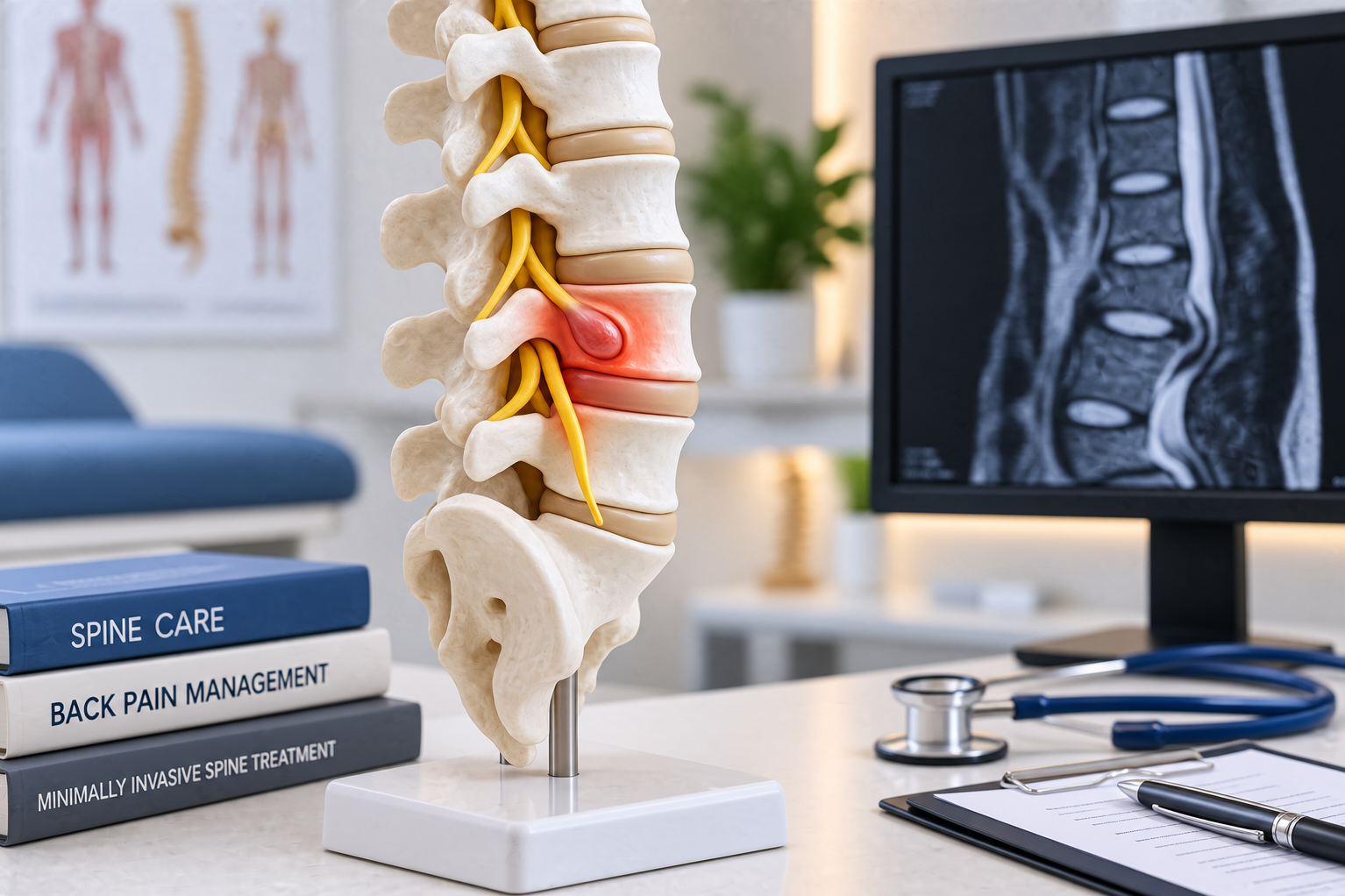
Spinal discs have a softer central component surrounded by a tougher outer layer. When disc material moves through or beyond the outer portion, it may form a herniation.
Symptoms depend largely on where this occurs.
In the lumbar spine, nerve involvement may cause pain from the lower back into the buttock and leg. In the cervical spine, symptoms can travel from the neck toward the shoulder, arm, hand, or fingers.
Some patients have little back or neck pain but considerable limb pain because the nerve is the primary source of symptoms.
Symptoms That Need Careful Evaluation
A herniated disc should be assessed when symptoms are persistent, severe, recurrent, or associated with neurological changes.
Particular attention is warranted when there is:
- Persistent pain radiating into an arm or leg
- Numbness that does not resolve
- Increasing muscle weakness
- Difficulty lifting the foot or gripping objects
- Reduced ability to walk or perform routine activities
- Pain that remains disabling despite appropriate treatment
Certain symptoms require urgent medical assessment. These include new bladder or bowel dysfunction, numbness around the saddle or groin region, or rapidly progressive weakness.
These symptoms should not be managed by simply waiting for a routine appointment.
Conservative Treatment Can Be Appropriate
Many disc herniations can initially be treated without surgery when there are no urgent neurological indications.
The treatment plan may include medication, activity modification, physiotherapy, gradual strengthening, and guidance on movement and ergonomics.
The objective is not merely to suppress pain. Good conservative management aims to maintain safe activity, reduce nerve irritation, restore function, and monitor neurological status.
Recovery timelines vary, so a fixed number of days cannot be applied to every patient.
When Is a Surgical Opinion Useful?
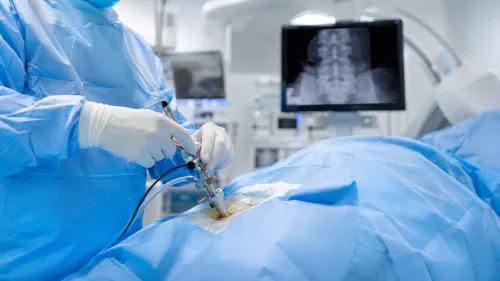
A surgical assessment may be considered when neurological deficits progress or disabling nerve symptoms continue despite an adequate course of appropriate non-surgical care.
The decision should account for more than the MRI appearance.
A specialist may evaluate:
- Which nerve is affected
- Whether muscle power has changed
- How symptoms are progressing
- How much normal function has been lost
- Whether imaging matches the clinical findings
- Whether further conservative treatment is reasonable
This creates a more balanced basis for deciding between continued observation and intervention.
Why Repeated Self-Treatment Can Be a Problem
Patients sometimes repeatedly use pain medication whenever symptoms flare without determining why the problem keeps returning.
Others stop all physical activity for extended periods or begin unsupervised exercises found online. Neither approach accounts for the specific spinal level, neurological findings, or severity of the condition.
Recurring symptoms deserve reassessment, especially when each episode is lasting longer or producing greater limitation.
What to Bring to Your Appointment
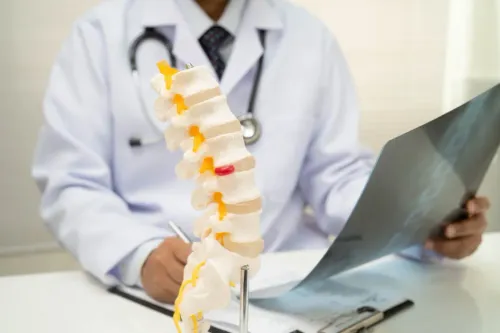
If you have already undergone MRI, X-ray, or other investigations, bring the reports and images if available. Make a note of previous medications, physiotherapy, injections, or other treatment.
It is also useful to describe exactly where pain starts and where it travels.
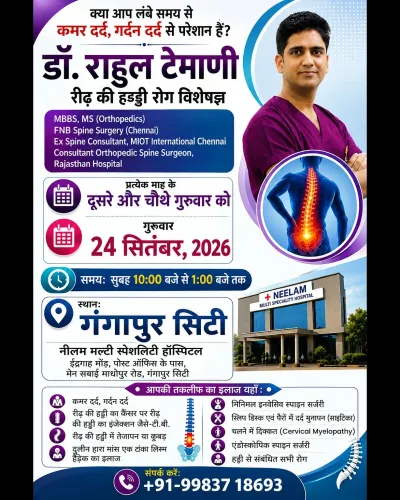
Patients considering herniated disc treatment in Jaipur can consult Dr Rahul Temani for an assessment focused on the relationship between the disc abnormality, neurological examination, and functional symptoms.
A herniated disc diagnosis does not automatically lead to surgery. What matters is whether the affected disc is producing clinically significant nerve compression, how the condition is progressing, and which treatment strategy is appropriate for the individual patient.
Keywords