Back pain affects millions of people every year, but not every episode has the same cause. While muscle strain often improves with rest, persistent pain accompanied by numbness, tingling, or weakness may indicate a herniated disc. Because several spinal conditions can produce similar symptoms, obtaining an accurate diagnosis is the first step toward effective treatment.
Consulting a Herniated Disc Specialist Jaipur allows patients to understand whether their symptoms are related to a disc problem, nerve compression, or another spinal disorder. Rather than relying solely on imaging, specialists combine clinical findings with diagnostic investigations to identify the underlying cause.
What Is a Herniated Disc?
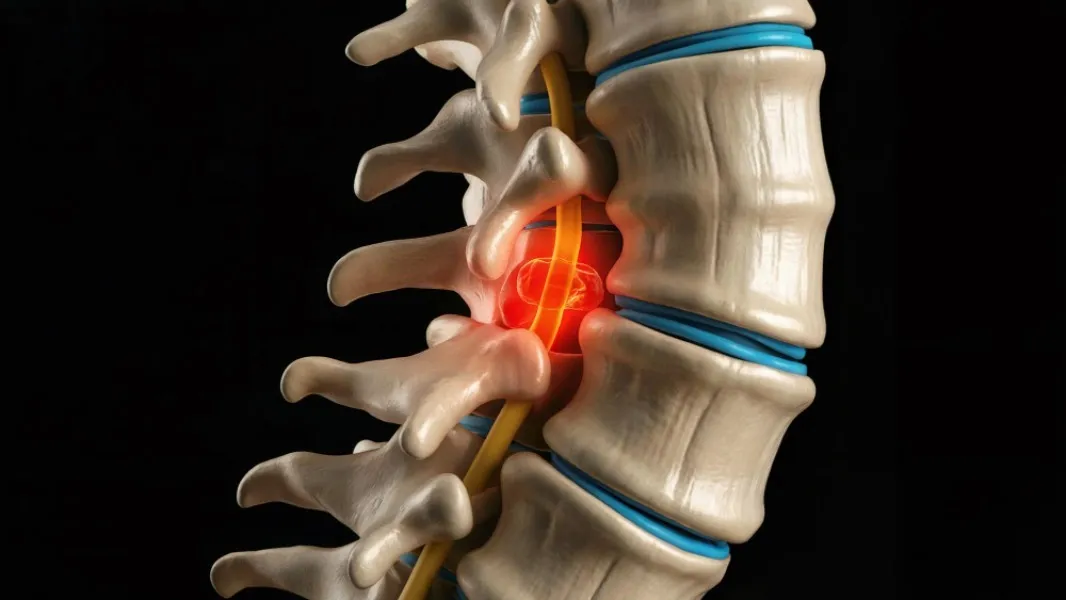
The spine contains intervertebral discs that act as shock absorbers between the vertebrae. Each disc has a soft inner centre surrounded by a stronger outer layer.
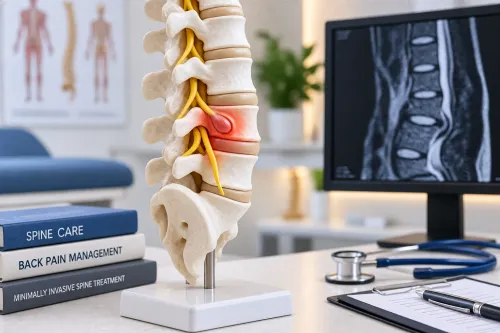
A herniated disc occurs when part of the inner material pushes through a weakened outer layer. If the disc presses on nearby nerves, it can lead to pain, numbness, or weakness. However, not every herniated disc causes symptoms. Some people may have a disc bulge visible on an MRI without experiencing any discomfort.
This is why diagnosis should always be based on both symptoms and examination findings rather than imaging alone.
Symptoms That May Indicate a Herniated Disc
The symptoms depend on the location of the affected disc and the nerves involved.
Common signs include:
- Persistent lower back or neck pain
- Pain radiating into the arm or leg
- Tingling sensations
- Numbness
- Muscle weakness
- Difficulty walking long distances
- Reduced grip strength in some neck-related cases
- Pain that worsens while coughing, sneezing, or bending
If these symptoms continue for several weeks, a medical assessment is advisable.
Why Accurate Diagnosis Matters
Many spine conditions can resemble a herniated disc, including:
- Lumbar spinal stenosis
- Degenerative disc disease
- Facet joint arthritis
- Sacroiliac joint dysfunction
- Muscle strain
- Spine infections
- Vertebral fractures
Treating the wrong condition may delay recovery. A thorough evaluation helps ensure that treatment is directed at the actual cause of pain.
What Happens During a Spine Evaluation?
A consultation generally begins with a detailed discussion about the patient's symptoms and medical history.
The examination may include:
- Assessment of posture
- Evaluation of spinal movement
- Muscle strength testing
- Reflex examination
- Sensory testing
- Walking assessment
- Straight leg raise test for lower back symptoms
These findings help identify which spinal nerve may be affected.
Are MRI Scans Always Necessary?
MRI is one of the most valuable investigations for evaluating spinal discs, but it is not required in every patient.
Imaging may be recommended when:
- Symptoms persist despite initial treatment
- There is significant weakness
- Surgery is being considered
- Serious underlying conditions need to be ruled out
- Neurological symptoms are progressing
The scan should always be interpreted alongside clinical findings rather than in isolation.
Treatment Depends on the Individual
No two patients experience a herniated disc in exactly the same way.
Management may include:
- Medication
- Physiotherapy
- Activity modification
- Core strengthening exercises
- Postural correction
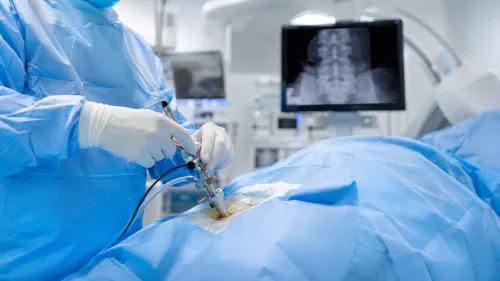
- Image-guided pain management procedures where appropriate
- Surgical intervention in selected cases
Most patients begin with conservative treatment before surgery is considered.
When Surgery Becomes an Option
Surgery is generally reserved for situations where:
- Severe nerve compression is present
- Progressive muscle weakness develops
- Pain continues despite adequate conservative care
- Daily activities become significantly restricted
- Emergency neurological symptoms occur
Advances in spine surgery have improved precision while aiming to preserve surrounding healthy tissues whenever possible.
Preventing Future Disc Problems
Although ageing cannot be prevented, healthy habits can reduce strain on the spine.
Useful preventive measures include:
- Maintaining a healthy weight
- Exercising regularly
- Strengthening core muscles
- Practising safe lifting techniques
- Improving workplace ergonomics
- Avoiding prolonged sitting
- Staying physically active
These lifestyle changes support long-term spinal health.
For people in Jaipur experiencing persistent pain, numbness, or weakness, timely assessment can help identify the cause before symptoms worsen. Dr Rahul Temani evaluates spinal disorders using a combination of clinical examination and appropriate investigations to develop an individualised treatment plan. Patients interested in learning more about spine conditions and available treatment options can also refer to drrahultemanispinesurgeon.com for additional educational information.
Receiving an accurate diagnosis is often the most important step toward choosing the right treatment and returning to comfortable daily activities.
Keywords