
Sciatica often becomes frustrating not because of one painful episode, but because symptoms improve and then return. A person may feel relatively comfortable for several weeks, only to experience another episode of shooting, burning, or electric-like pain from the lower back or buttock into the leg.
When this pattern repeats, sciatica treatment should focus on identifying the underlying cause rather than repeatedly treating pain alone.
For patients in Jaipur, Rajasthan, evaluation becomes particularly important when recurrent leg pain begins to restrict sitting, driving, walking, working, or sleeping.
Sciatica Describes a Symptom Pattern
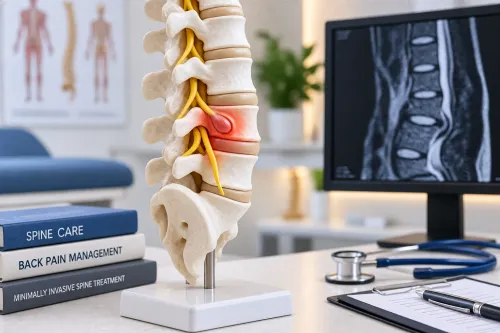
Sciatica is commonly used to describe pain associated with irritation or compression of nerve roots that contribute to the sciatic nerve.
It is not a single disease.
Possible spinal causes can include a lumbar disc herniation, narrowing around a nerve, degenerative spinal changes, or other conditions affecting neural structures.
Because several problems can create similar symptoms, identifying the cause is the first step toward choosing appropriate treatment.
Why Does Sciatica Keep Coming Back?
Recurrence does not always mean that the spine is progressively deteriorating.
Symptoms may fluctuate because nerve irritation changes with activity, inflammation, loading, posture, or the underlying structural condition. In other cases, the original problem may never have been fully evaluated.
A recurrent episode deserves closer assessment when:
- Each flare lasts longer
- Leg pain becomes more intense
- Numbness appears or expands
- Weakness develops
- Walking tolerance decreases
- Symptoms no longer respond to previous measures
These changes provide useful information about whether the condition needs a different treatment approach.
Comparing the Main Treatment Pathways
For patients without urgent neurological deficits, conservative care may remain appropriate.
Medication can help manage symptoms during an acute episode, while physiotherapy and rehabilitation may address movement, strength, mobility, and functional recovery.
Activity modification can also be useful, particularly when specific movements repeatedly trigger symptoms.
However, treatment should evolve according to the patient's progress. Simply repeating the same medication after every recurrence may not answer why the nerve remains irritated.
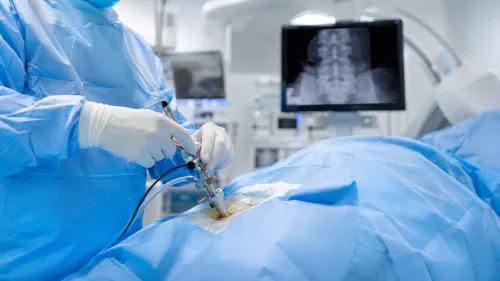
Targeted interventions may be considered in selected situations after appropriate clinical evaluation.
Surgery is generally reserved for specific indications, such as significant or progressive neurological deficits or persistent disabling nerve compression that has not responded adequately to appropriate non-surgical treatment.
Back Pain and Sciatica Should Not Be Treated as Identical
This distinction matters.
Someone with localised lower back pain but no nerve symptoms may require a different evaluation from someone whose pain extends below the knee with numbness or weakness.
Similarly, treating leg pain as a muscular problem without checking for neurological signs can delay identification of nerve involvement.
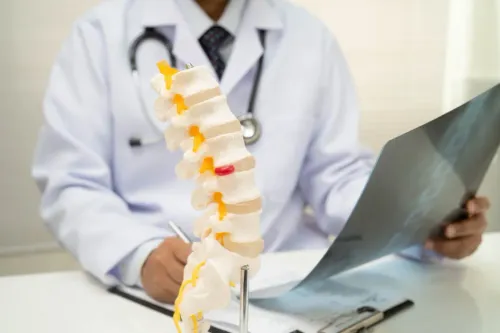
A clinical examination can assess strength, sensation, reflexes, nerve tension signs, gait, and spinal movement. Imaging may then be interpreted in relation to these findings.
What Can Patients Track Between Episodes?
Keeping a simple symptom record can make recurrent sciatica easier to evaluate.
Note:
- Where the pain begins and ends
- Whether it reaches the foot or toes
- Which part of the leg feels numb
- Whether coughing or sneezing worsens pain
- How long you can sit or walk
- Whether one leg feels weaker
- How frequently episodes occur
- Which treatments have provided meaningful relief
This information can reveal patterns that may not be obvious during a short consultation.
When Should Recurring Sciatica Be Reassessed?
A new evaluation is sensible when the symptom pattern changes, function deteriorates, neurological symptoms develop, or repeated conservative treatment is producing only temporary relief.
Patients seeking sciatica treatment in Jaipur can consult Dr Rahul Temani to determine whether symptoms correspond to lumbar nerve compression and which treatment pathway is appropriate.
The objective is not simply to eliminate today's pain. Recurrent sciatica requires understanding why the nerve is being irritated, whether neurological function is preserved, and what strategy can safely support longer-term mobility and daily activity.
Keywords