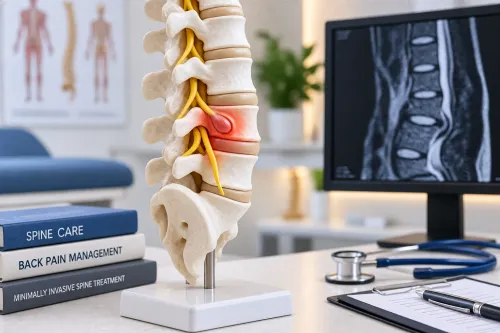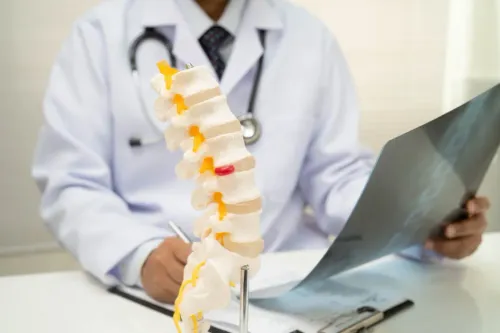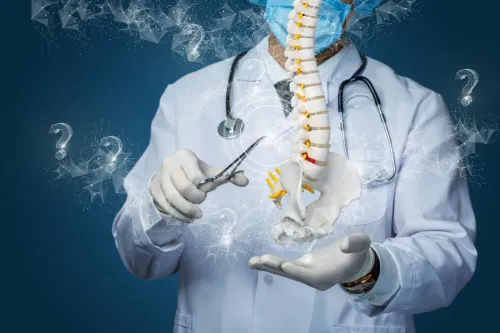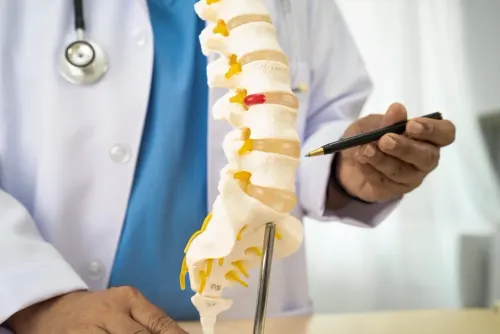
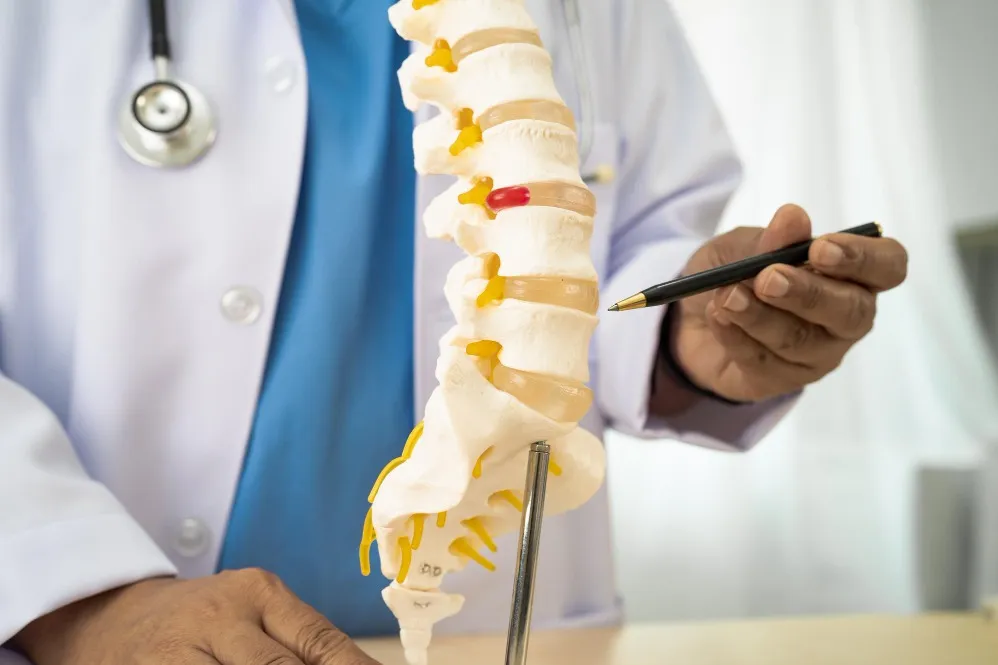
A slipped disc, also known as a herniated disc or prolapsed intervertebral disc, is one of the most common causes of persistent back pain and leg pain. Despite the name, the disc does not actually 'slip' out of place. Instead, part of the soft inner material pushes through the tougher outer layer, sometimes pressing against nearby nerves.
Understanding how a slipped disc develops, recognising its symptoms, and learning about available Slip Disc Treatment Jaipur options can help patients make informed decisions about their care.
What Happens During a Slip Disc?
The spine contains discs that act as cushions between the vertebrae. These discs absorb shock and allow flexibility during movement.
Over time, ageing, repetitive strain, heavy lifting, or injury may weaken the outer layer of a disc. When this occurs, the inner material may bulge or herniate, potentially irritating nearby nerves.
Not every disc bulge causes symptoms. Some people may have imaging findings without experiencing any pain.
Common Symptoms
Symptoms vary depending on which spinal nerve is affected.
Many patients experience:
- Lower back pain
- Pain travelling down one leg
- Numbness
- Tingling sensations
- Muscle weakness
- Difficulty standing for long periods
- Increased pain while coughing or sneezing
If the herniation occurs in the neck, patients may develop pain radiating into the shoulder, arm, or fingers.
Why Early Diagnosis Is Helpful
Back pain has numerous possible causes, making accurate diagnosis essential.
A spine specialist may recommend:
- Clinical examination
- Neurological assessment
- MRI scan when appropriate
- X-rays in selected cases
- Evaluation of muscle strength and reflexes
These investigations help determine whether symptoms are truly caused by a herniated disc or another spinal condition.
Conservative Treatment Is Often the First Step
Many patients improve without surgery.
Initial management may include:
- Short-term medication
- Physiotherapy
- Activity modification
- Core strengthening exercises
- Posture correction
- Weight management
- Guided rehabilitation
Remaining active within comfortable limits is often encouraged instead of prolonged bed rest, as movement can support recovery in many patients.
Daily Habits That Support Recovery
Lifestyle changes often complement medical treatment.
Helpful measures include:
- Avoid lifting heavy objects improperly.
- Maintain a healthy body weight.
- Improve sitting posture.
- Take regular movement breaks during desk work.
- Perform exercises recommended by healthcare professionals.
- Use ergonomic furniture where possible.
- Strengthen core and back muscles gradually.
These habits may reduce stress on the spine and lower the risk of recurrent symptoms.
When Is Surgery Considered?
Although many patients recover with conservative care, surgery may become appropriate under certain circumstances.
These include:
- Progressive muscle weakness
- Persistent severe pain despite treatment
- Significant nerve compression
- Difficulty performing normal daily activities
- Certain emergency neurological symptoms requiring immediate attention
The decision depends on the severity of symptoms, imaging findings, and overall health rather than MRI results alone.
Recovery After Treatment
Recovery timelines differ between individuals.
Factors influencing recovery include:
- Age
- General health
- Severity of disc herniation
- Type of treatment
- Participation in rehabilitation
- Occupational demands
Patients who actively participate in physiotherapy and follow medical guidance often experience gradual improvement in mobility and function.
Can Slip Discs Be Prevented?
Although not every case can be prevented, healthy habits reduce the likelihood of spinal injury.
Preventive strategies include:
- Regular exercise
- Good posture
- Safe lifting techniques
- Healthy body weight
- Smoking cessation
- Strengthening back and abdominal muscles
- Avoiding prolonged sitting without breaks
These measures contribute to better long-term spinal health.
People in Jaipur who continue experiencing persistent back pain, leg pain, or numbness should consider a timely assessment by a qualified spine specialist rather than relying solely on temporary pain relief. Dr Rahul Temani provides comprehensive evaluation and management based on each patient's symptoms, examination findings, and diagnostic imaging. Patients seeking additional educational information about spine conditions and treatment approaches can also explore drrahultemanispinesurgeon.com as part of their decision-making process.
A slipped disc does not always lead to surgery. Early diagnosis, appropriate treatment, and consistent rehabilitation often play the most important roles in helping patients return to comfortable daily living.
Keywords