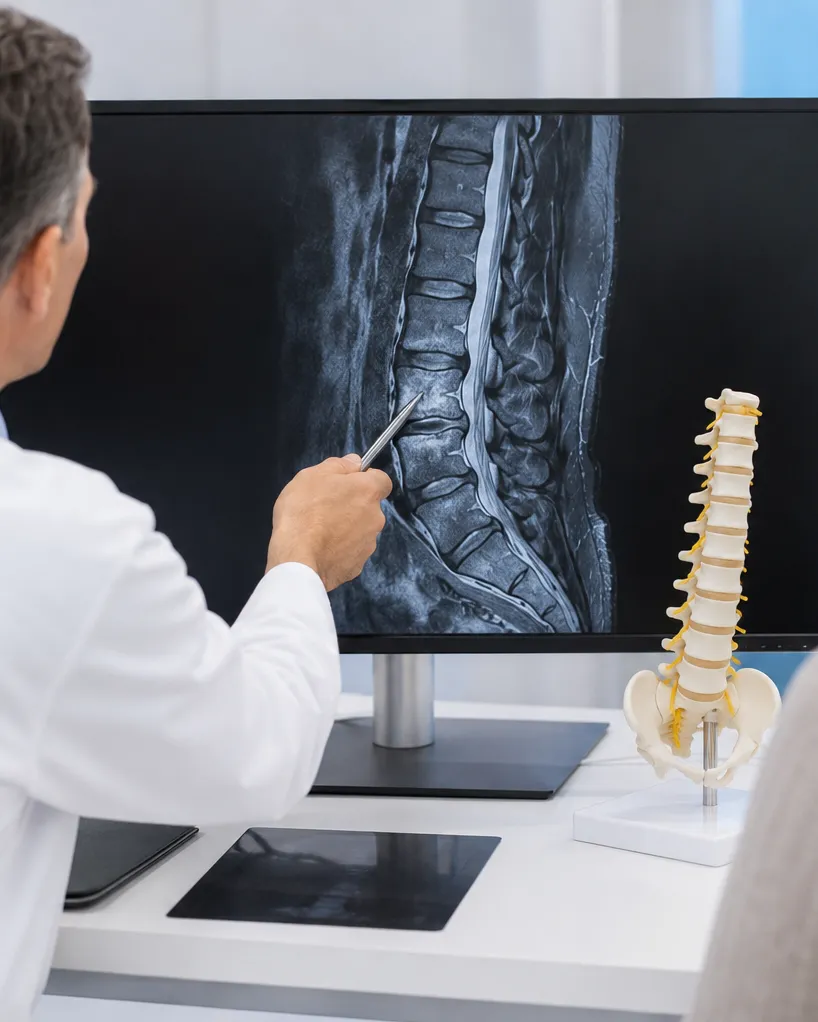
Back pain is often associated with muscle strain, ageing, or disc-related problems. However, in some cases, persistent pain may be caused by an infection affecting the spine. Although spinal infections are relatively uncommon, they require prompt diagnosis and appropriate treatment because delaying medical care may increase the risk of complications.
Understanding when to consult a Spine Infection Specialist in Jaipur helps patients recognise symptoms that deserve medical evaluation rather than assuming every episode of back pain is mechanical in nature.
What Is a Spine Infection?
A spine infection occurs when bacteria, tuberculosis, fungi, or other microorganisms affect the vertebrae, intervertebral discs, or surrounding spinal tissues.
The infection may develop through:
- Spread from another infection in the body
- Bloodstream infections
- Previous spinal surgery
- Traumatic injuries
- Reduced immunity in certain individuals
The condition may involve one or multiple areas of the spine depending on its cause.
Symptoms That Should Not Be Ignored
Unlike routine back pain that often improves with rest, spinal infections usually produce persistent symptoms.
Common warning signs include:
- Continuous back or neck pain
- Fever
- Chills
- Night sweats
- Fatigue
- Unexplained weight loss
- Difficulty walking
- Increasing pain during rest or at night
Some patients may also develop numbness, weakness, or bowel and bladder symptoms if the infection begins affecting nearby nerves.
Who May Be at Higher Risk?
Although spinal infections can occur in anyone, certain factors may increase the likelihood.
These include:
- Diabetes
- Reduced immune function
- Chronic kidney disease
- Long-term steroid therapy
- Recent spinal procedures
- Previous infections
- Advanced age
Being at higher risk does not mean an infection will occur, but persistent symptoms should be evaluated carefully.
How Specialists Diagnose Spine Infections
Diagnosis usually involves combining clinical findings with laboratory and imaging studies.
A comprehensive assessment may include:
- Detailed medical history
- Physical examination
- Neurological assessment
- Blood investigations
- MRI of the spine
- X-rays where appropriate
- Additional microbiological testing when required
Early diagnosis allows treatment to begin before permanent spinal damage develops.
How Are Spine Infections Treated?
Treatment depends on the cause, severity, and extent of the infection.
Management may involve:
- Targeted antibiotic therapy
- Anti-tubercular treatment when indicated
- Pain management
- Activity modification
- Physiotherapy during recovery
- Nutritional support
Some patients with spinal instability, abscess formation, or nerve compression may require surgical treatment as part of their overall care.
Why Follow-Up Is Important
Recovery from spinal infections often requires ongoing monitoring.
Regular follow-up allows specialists to assess:
- Improvement in symptoms
- Response to medication
- Neurological function
- Healing of infected spinal tissues
- Stability of the spine
Consistent monitoring helps ensure that treatment remains effective throughout recovery.
Preventing Delays in Diagnosis
Many spinal infections initially resemble common back pain.
Patients should consider medical evaluation if back pain:
- Persists despite medication
- Occurs together with fever
- Continues to worsen over time
- Is associated with unexplained weight loss
- Causes weakness or numbness
- Interferes with walking or daily activities
Recognising these warning signs early can make a significant difference in treatment outcomes.
Patients in Jaipur experiencing persistent back pain together with signs of infection should seek specialist evaluation without unnecessary delay. Dr Rahul Temani assesses suspected spinal infections using detailed clinical examination and appropriate investigations before recommending an individualised treatment plan. Patients looking for additional educational information about spinal disorders and available treatment approaches can also explore drrahultemanispinesurgeon.com.
Early diagnosis, timely treatment, and regular follow-up are essential for preserving spinal health and reducing the risk of long-term complications associated with spinal infections.
Keywords